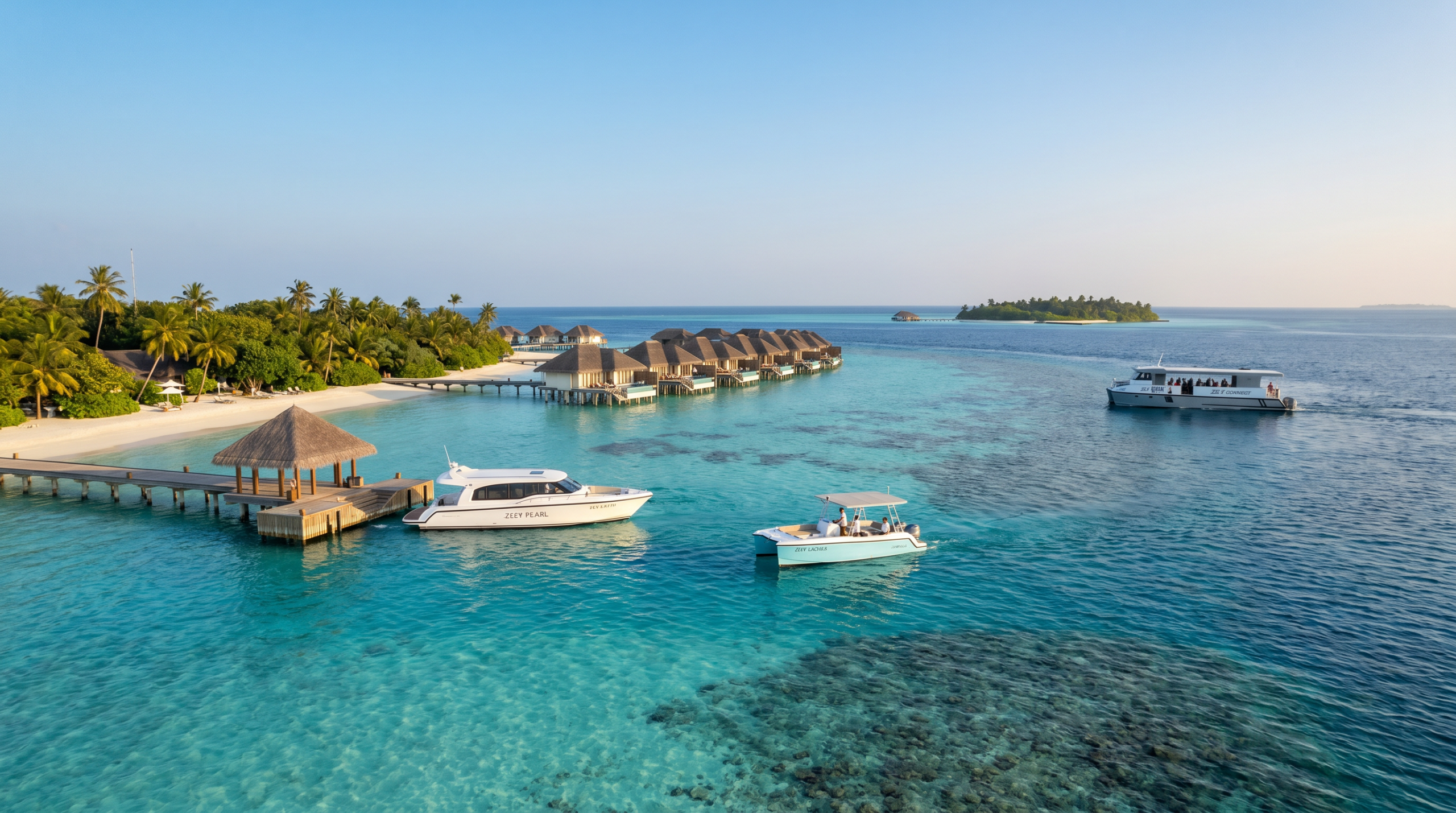

Maldives Use Cases
Where electric vessels can make sense in the Maldives.
The Maldives is a network of resorts, islands, airports, lagoons, ferry links, service routes, and guest experiences. Each route needs its own operating and commercial assessment.
ZEEV identifies which routes deserve serious electric vessel assessment first.
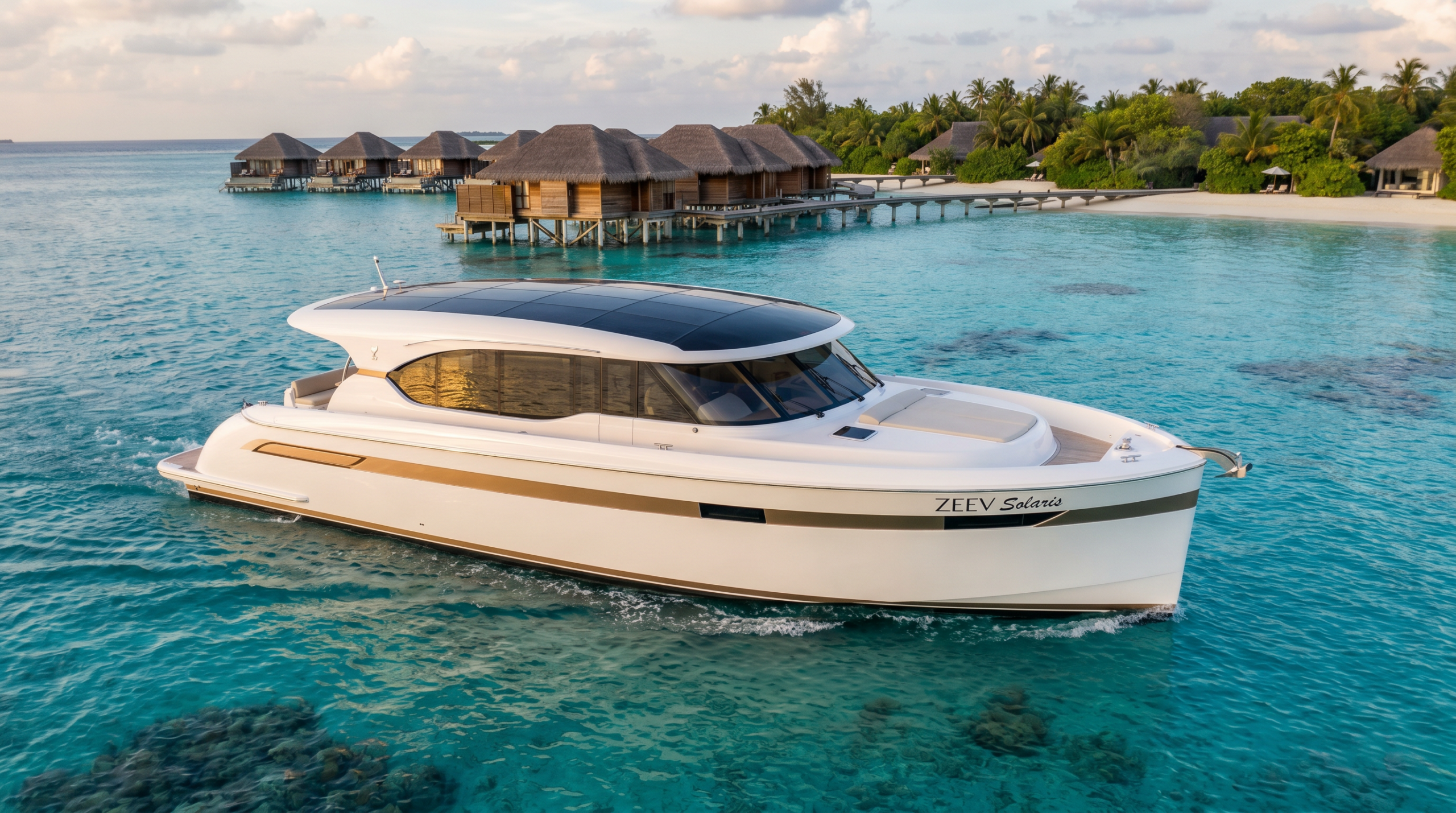

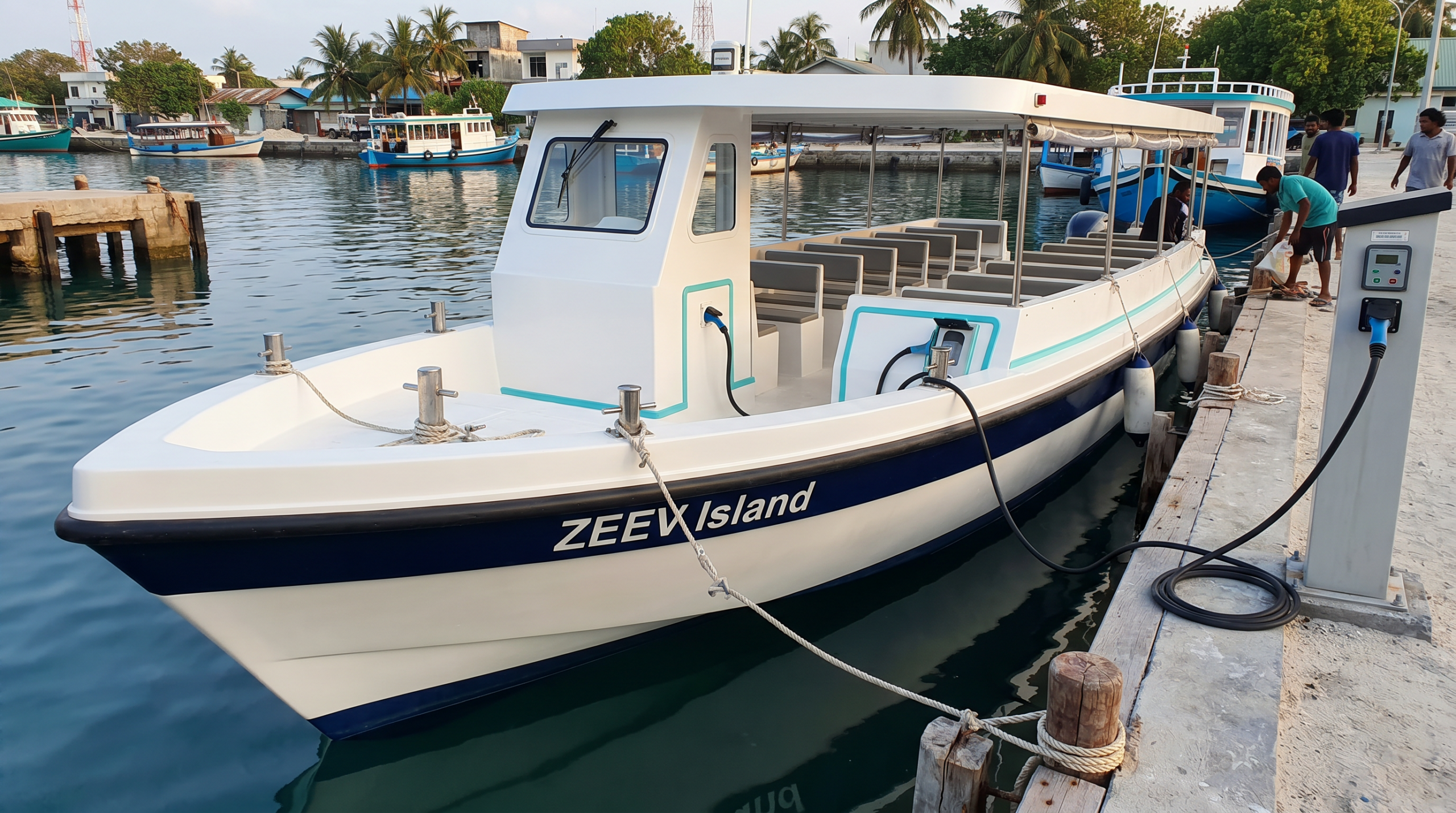
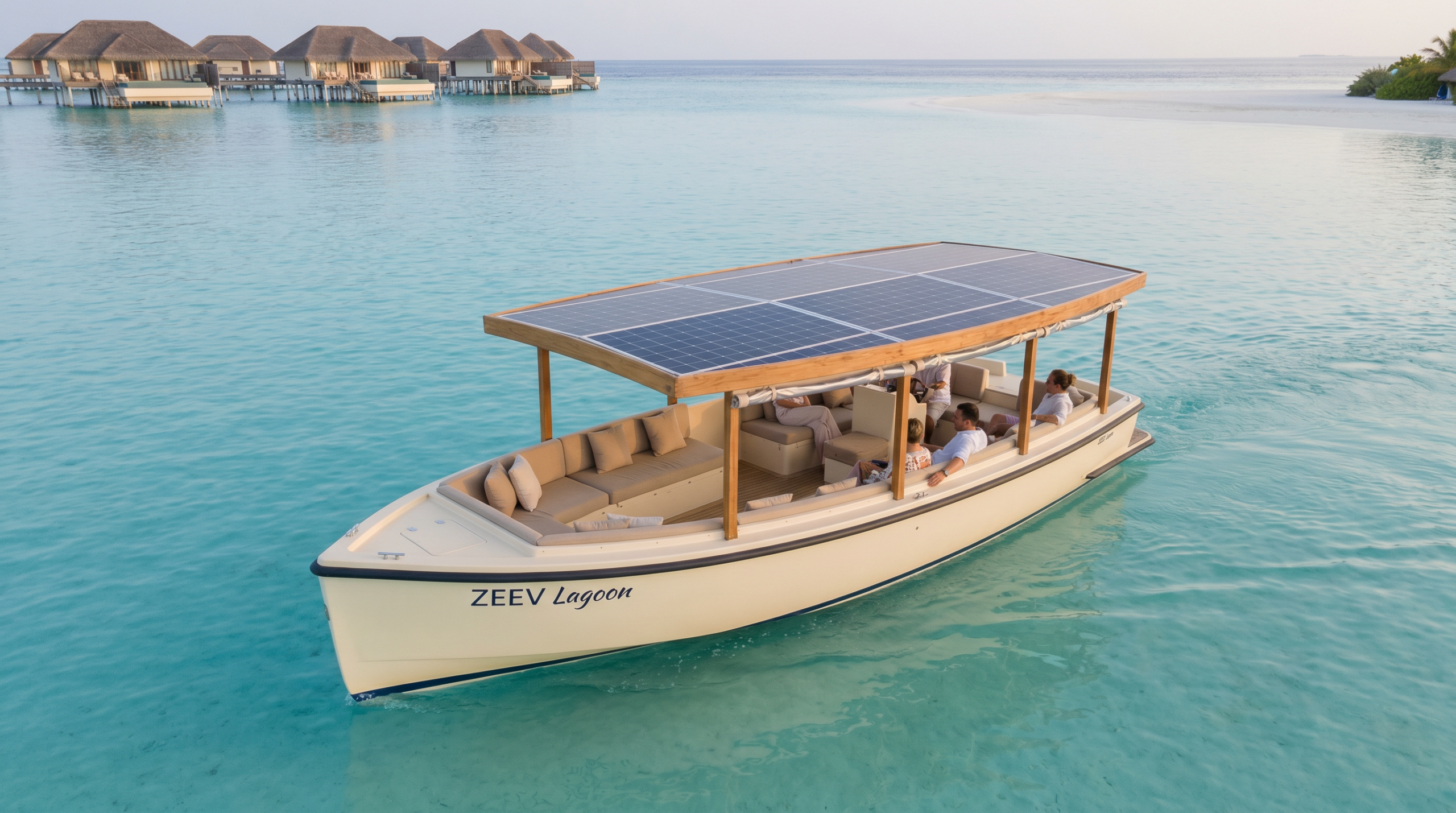
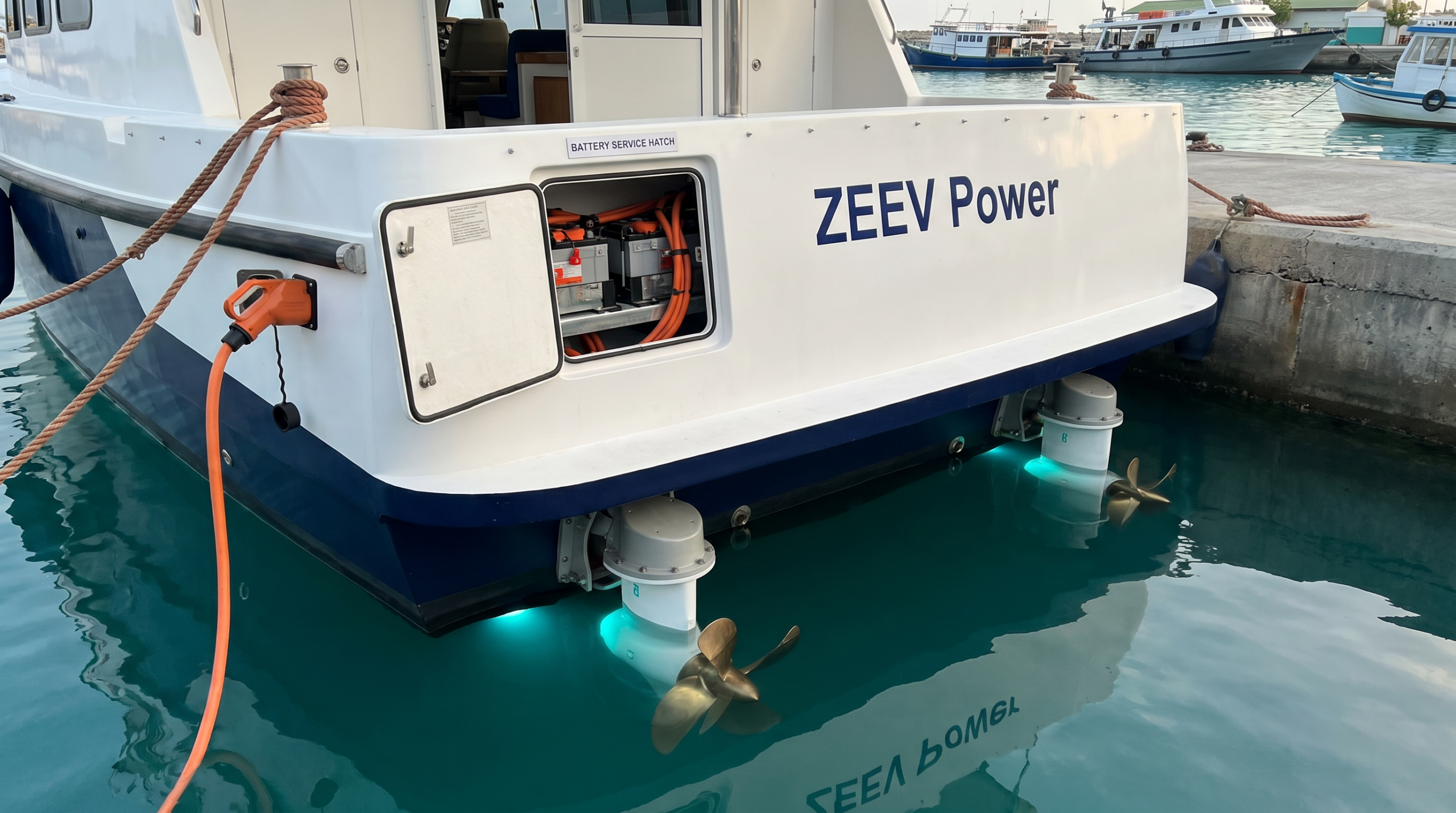
Use cases become serious only when distance, speed, daily frequency, charging window, passenger load, guest expectation, and operating cost can work together.
The Opportunity
Some Maldives routes are already strong candidates for electric assessment.
Electric marine deployment is most credible where the route is known, the movement repeats, the charging window is protected, and fuel cost exposure is becoming harder to ignore.
Those conditions already exist across selected resort, tourism, island transport, ferry, and service operations in the Maldives.
The practical question is not whether electric vessels are interesting. The practical question is which routes can support them commercially, operationally, and financially.
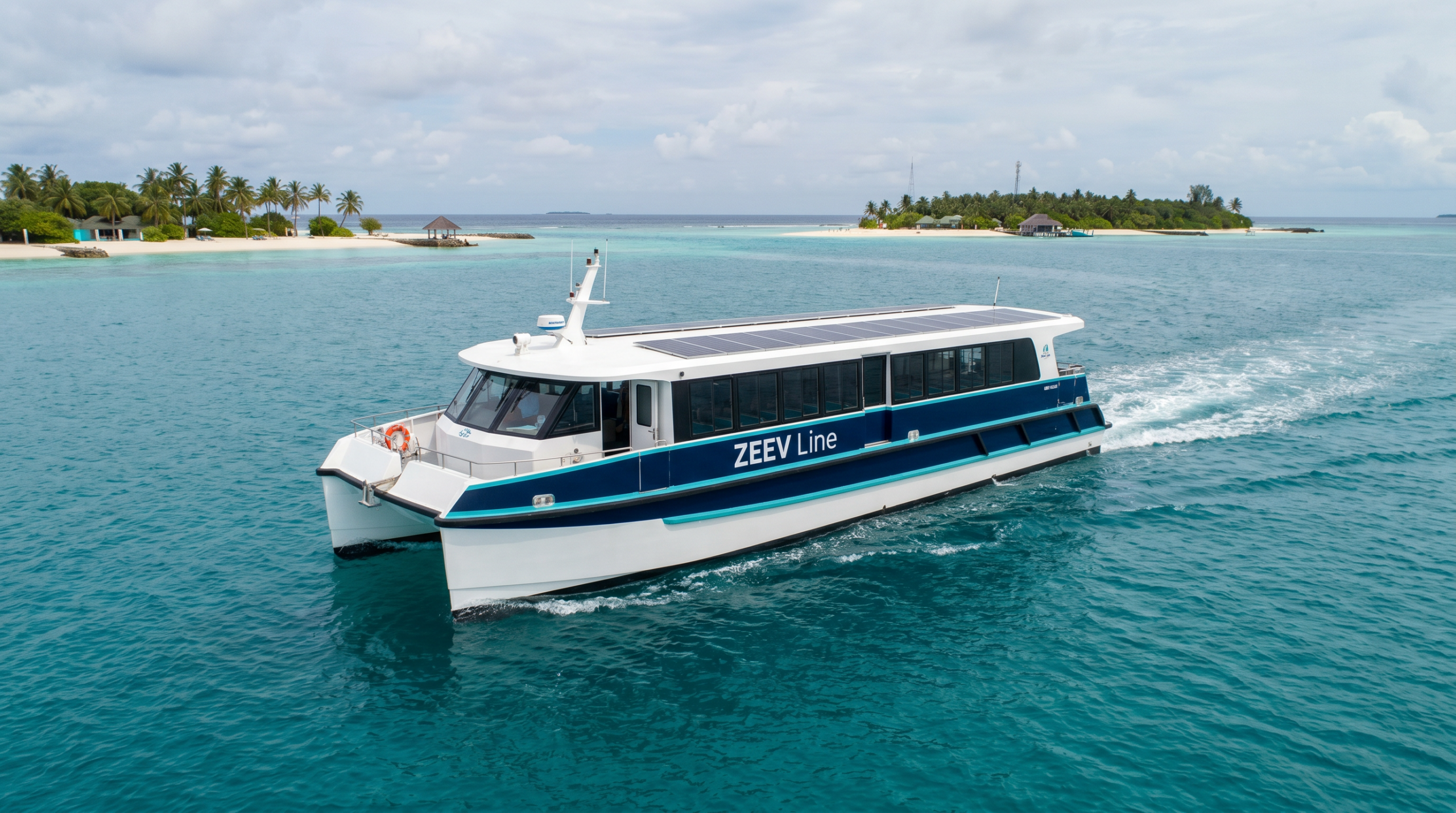
Primary Use Cases
Practical electric vessel opportunities for Maldives operators.
Each category below has potential, but none should be treated as automatic. ZEEV screens the route, vessel duty, charging access, and commercial pressure before recommending a pathway.
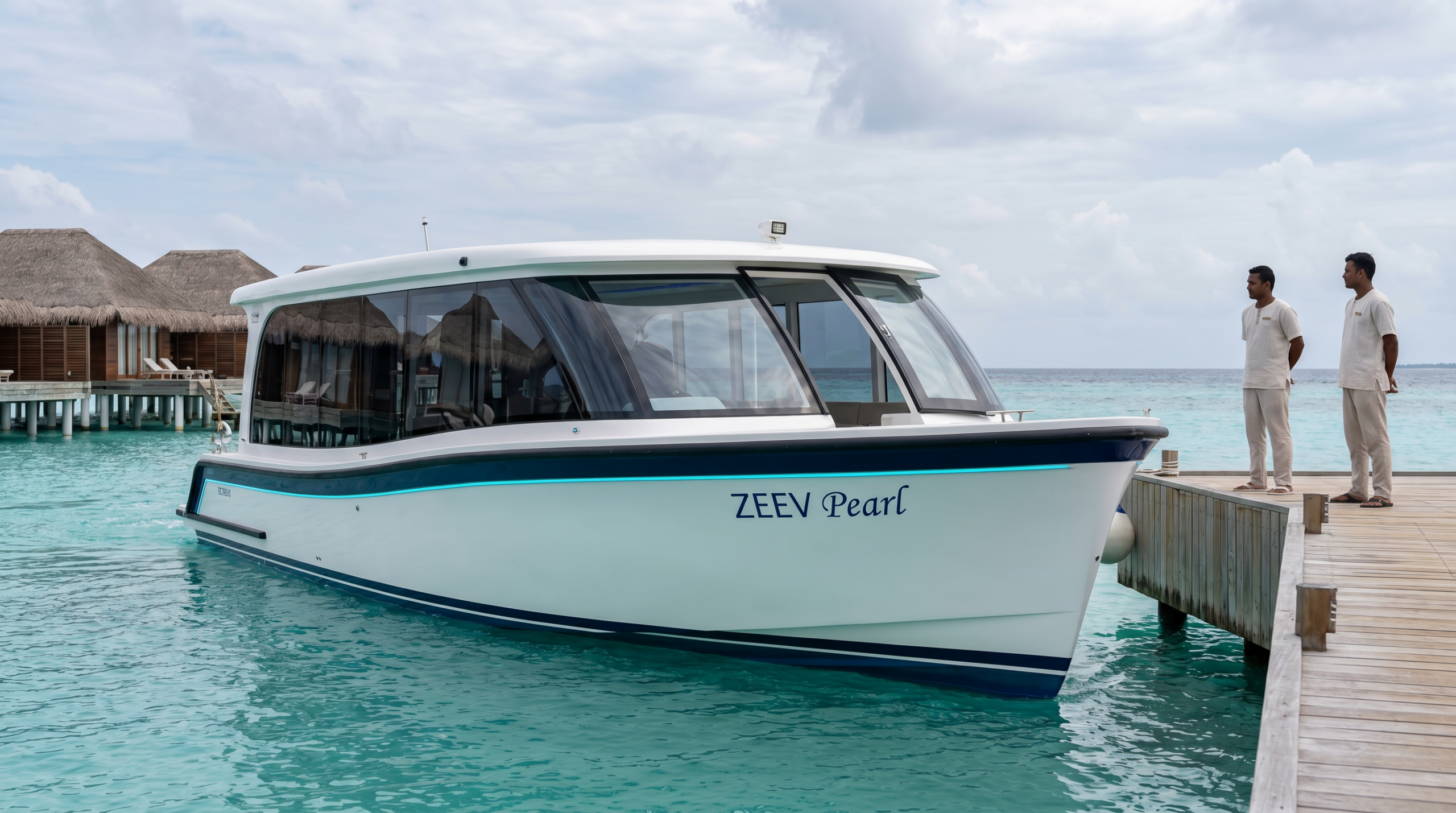
Resort Guest Transfers
Premium arrivals and quieter movement
Short and repeatable guest transfer routes may benefit from quieter movement, lower vibration, improved arrival quality, and reduced fuel exposure.
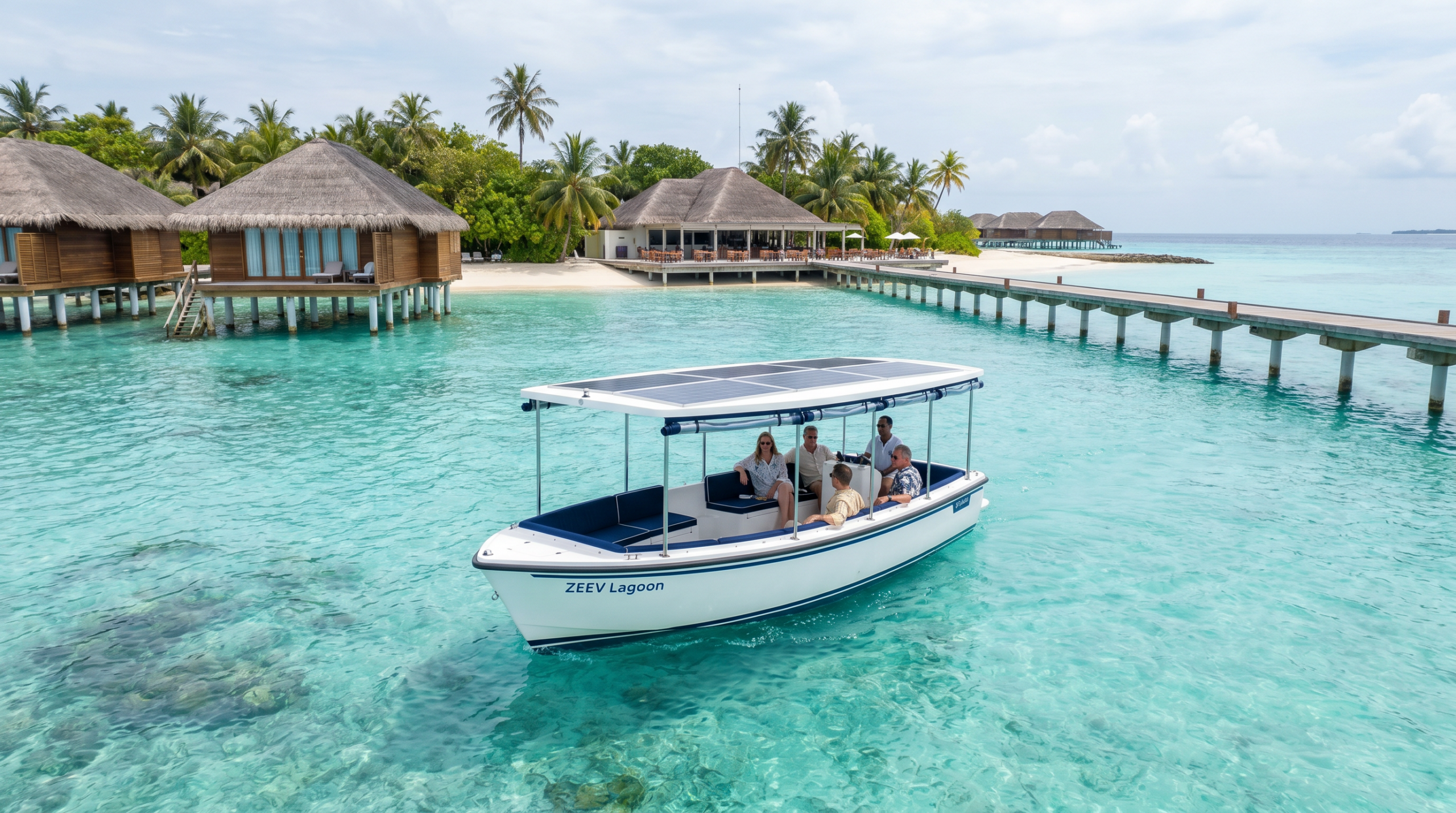
Resort Lagoon Mobility
Controlled movement inside resort lagoons
Electric vessels may support movement between jetties, villas, restaurants, guest facilities, beaches, service points, and nearby activity zones.
Dive and Excursion Operations
Guest experiences with predictable patterns
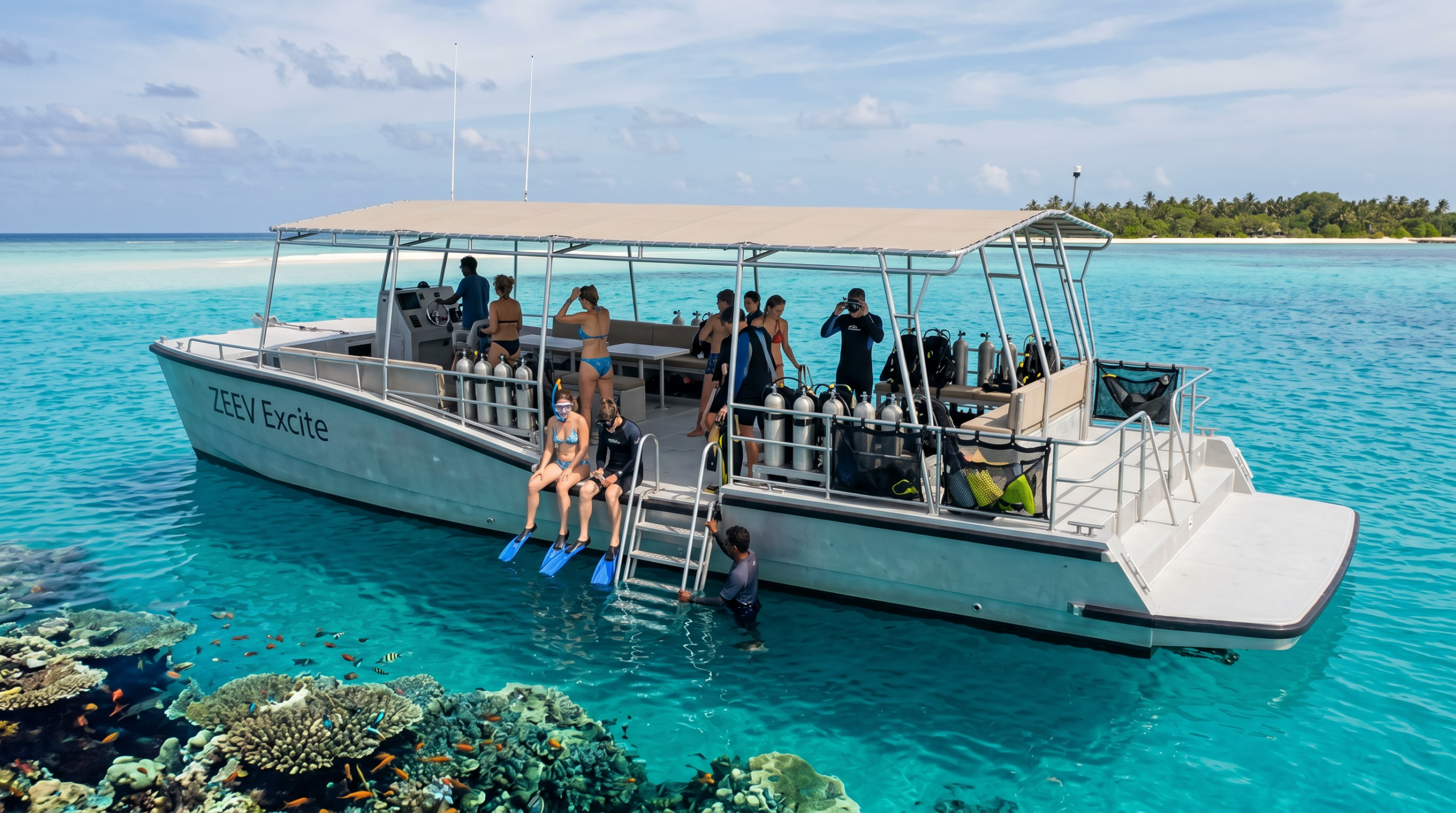
Dive, snorkelling, dolphin, sandbank, and sunset routes may be suitable where trip timing, distance, turnaround, and charging windows are manageable.
Airport and Island Connections
Short shuttle routes with repeated daily use
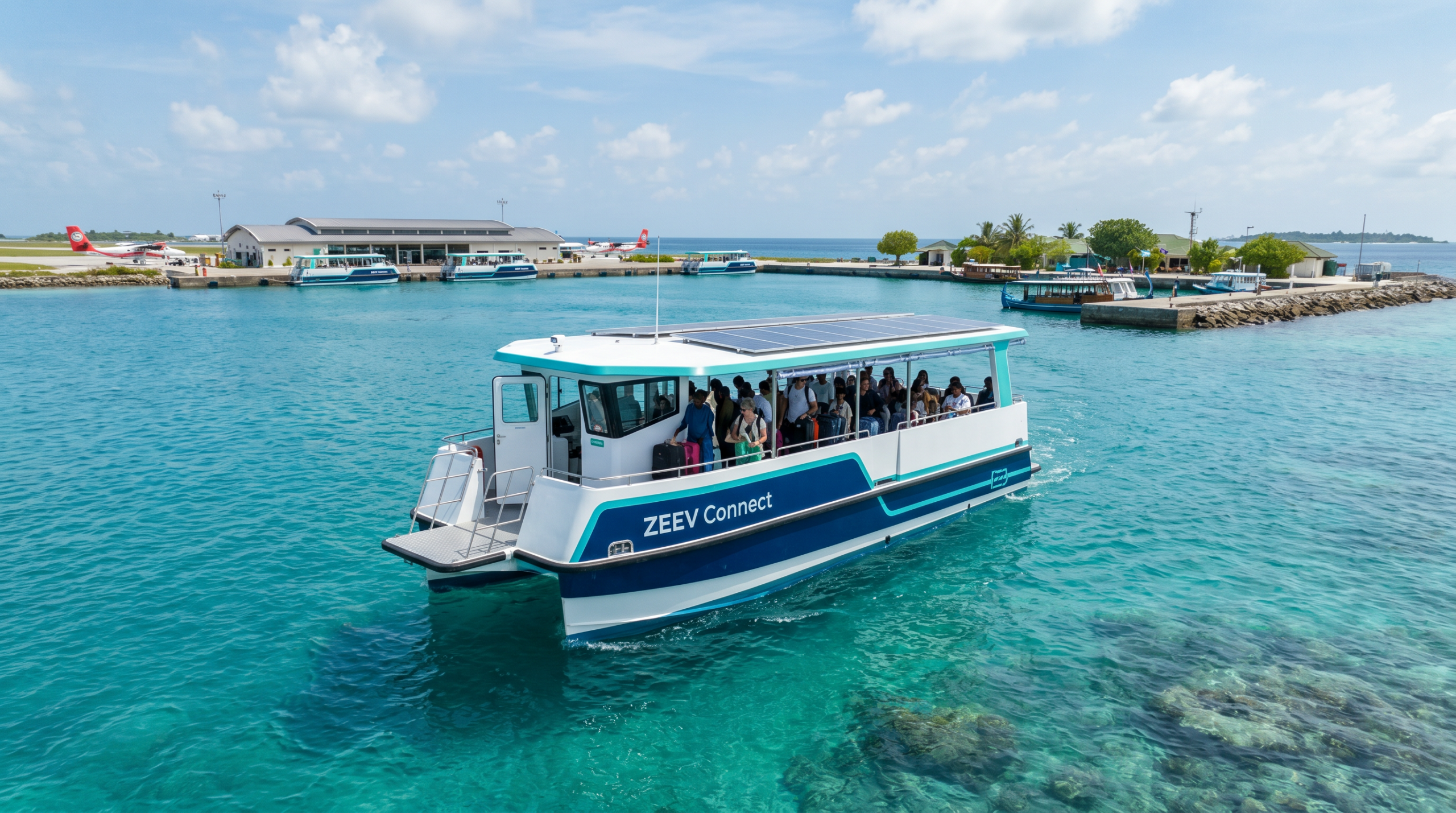
Marine links between airports, islands, hotels, and tourism zones can be assessed for electric shuttle models where utilisation is consistent.
Staff and Service Movement
High-frequency operational routes
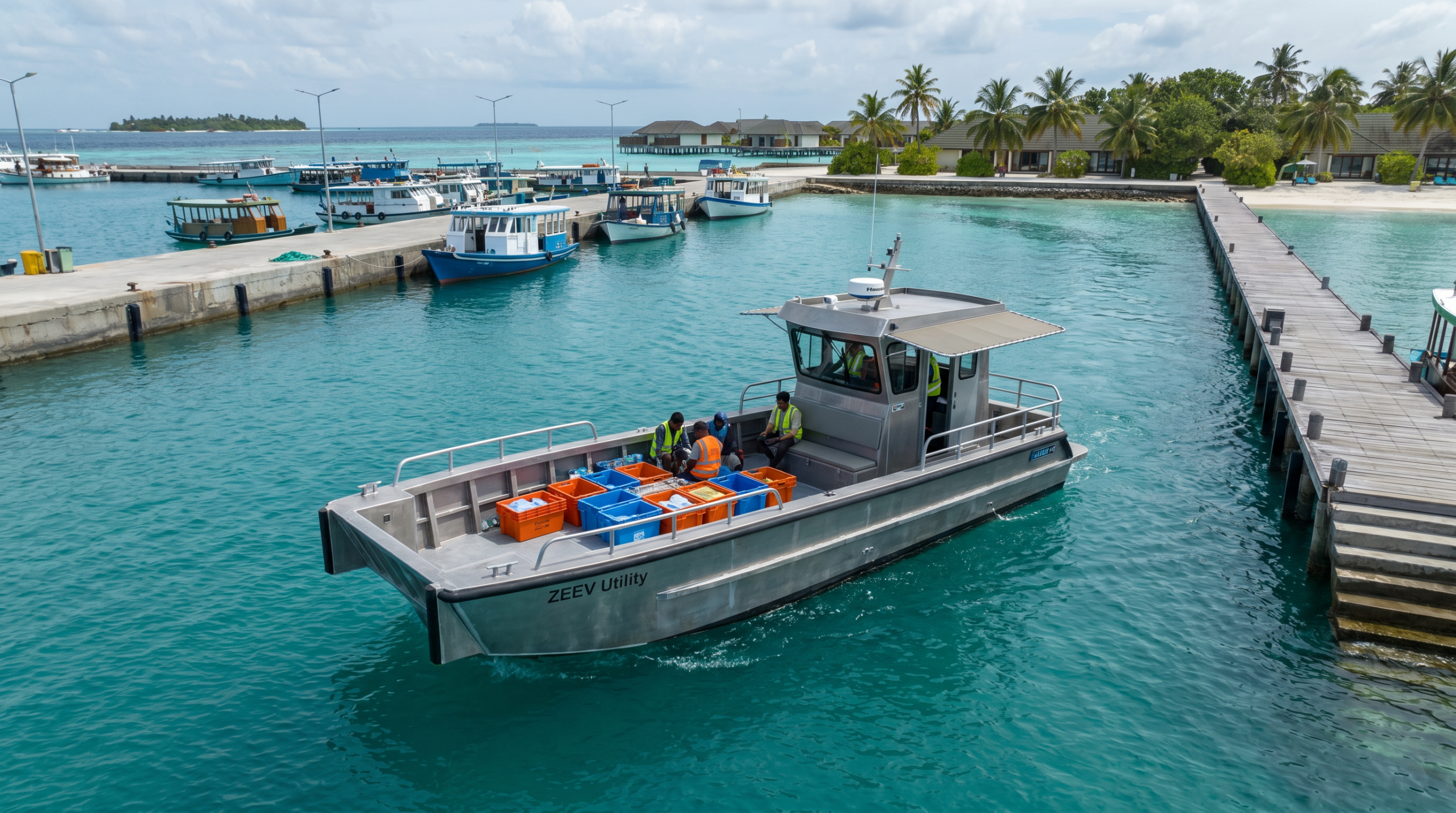
Staff movement, supplier runs, light cargo, maintenance access, and operational support routes may create strong cases when daily frequency is high.
Public and Private Ferry Links
Routes where utilisation can strengthen the case
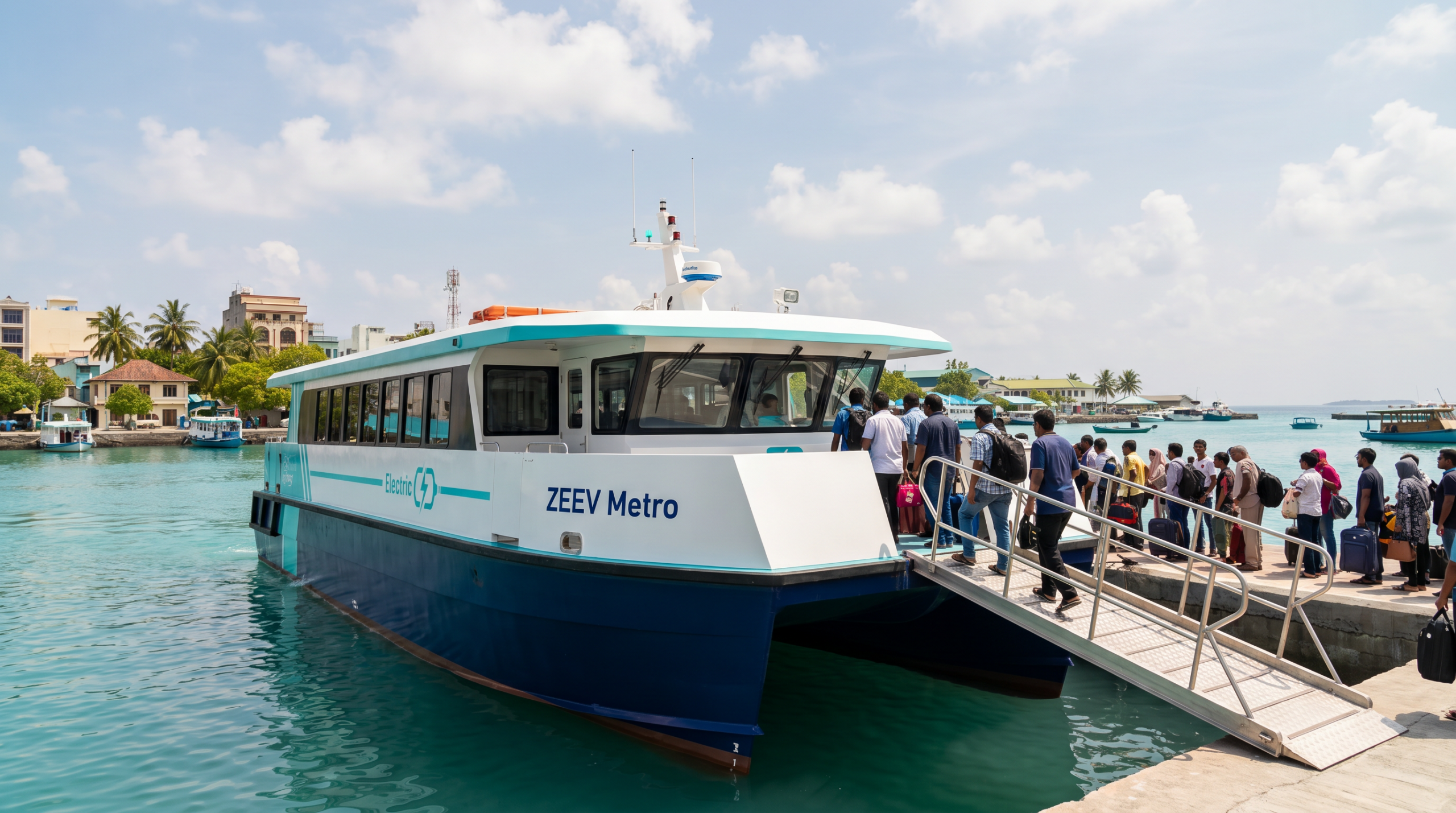
Short ferry corridors can be assessed for electric deployment where charging access, service reliability, passenger demand, and operating discipline are clear.
Route Fit Logic
A use case only matters if the route can support it.
ZEEV screens routes through practical operating questions before recommending a vessel, propulsion system, charging plan, or finance structure.
Distance and speed
The route must match realistic electric range, reserve margin, sea-state exposure, and speed expectation.
Daily frequency
Repeated movement strengthens the case because savings, operational learning, and guest benefits multiply over time.
Charging window
Electric deployment depends on protected charging time, power availability, location access, and crew discipline.
Commercial pressure
The case is stronger where fuel cost, maintenance load, guest comfort, replacement planning, or public-service pressure already exists.
For Resorts
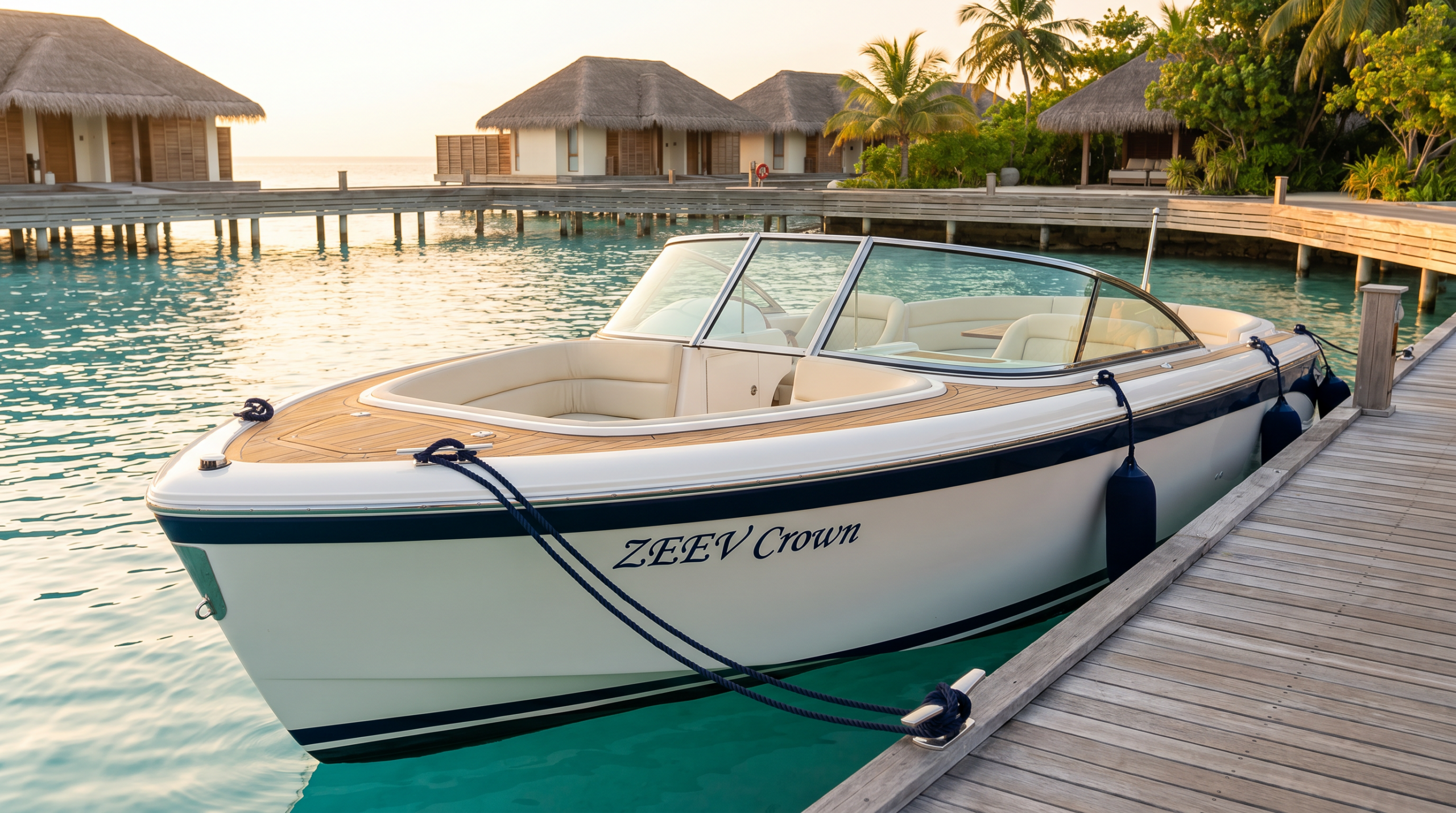
Electric vessels should improve the guest journey, not only the sustainability story.
Resort buyers will not move only because a vessel is electric. The route must support a better guest experience: quieter arrival, smoother movement, reduced smell, lower vibration, and a more premium first impression.
The commercial case must also work. Fuel exposure, maintenance, asset cost, charging access, operating continuity, warranty, service support, and finance structure all need to be understood before a resort commits.
For Operators
Operators already know where the pressure is.
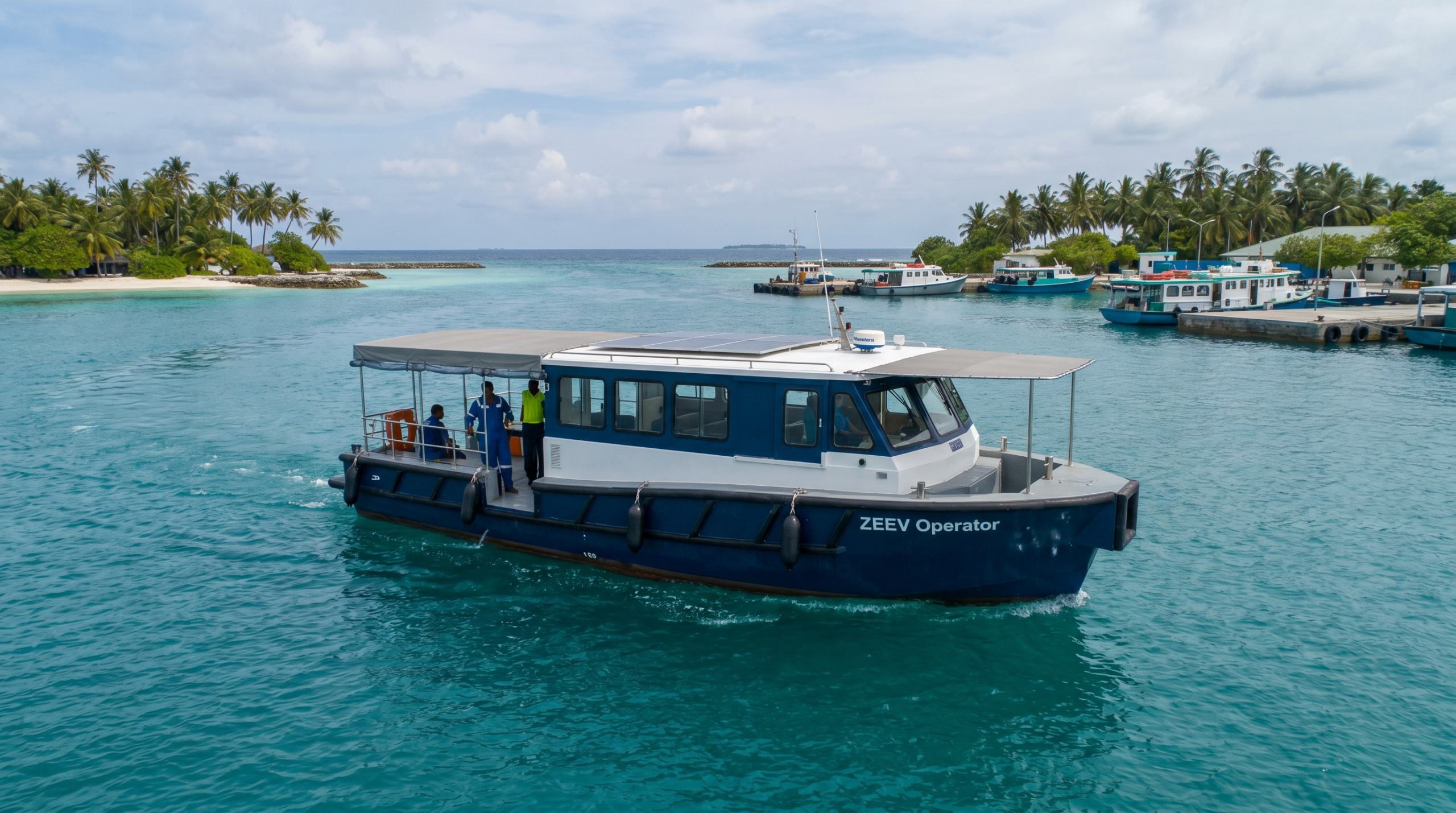
Fuel movement, engine maintenance, spare parts, uptime, crew discipline, passenger comfort, and replacement planning are daily operating issues, not abstract sustainability points.
ZEEV works directly with operators to assess route-level suitability before capital is committed or a vessel is selected.
Who Should Speak To ZEEV
Built for decision-makers who need a practical pathway, not a product catalogue.
ZEEV works with stakeholders who want to understand whether electric marine deployment can work in a specific Maldivian operating environment.
What ZEEV Protects Against
Choosing technology before the route is ready.
The wrong route, speed requirement, passenger load, battery capacity, charger location, or finance structure can turn good technology into a weak deployment.
ZEEV’s Position
The business case must support the use case.
The goal is not to force conversion. The goal is to identify strong first routes, structure them properly, and avoid pushing electric vessels where the operating case is not ready.
Assessment Pathway
How a Maldives use case is evaluated.
The public website shows the pathway. The actual route logic, cost assumptions, and deployment structure are handled directly with the operator.
Identify the operation
Route category, operating purpose, guest or service requirement, and daily movement pattern.
Screen the route
Distance profile, frequency, speed expectation, sea exposure, reserve policy, and turnaround logic.
Structure the pathway
Vessel fit, charging access, operating readiness, commercial structure, and possible finance approach.
Move toward deployment
Supplier engagement, finance discussion, operational planning, crew preparation, and phased launch.
Start Privately
Have a route, vessel, or marine operation that may suit electric?
Speak to ZEEV before committing to a vessel, propulsion system, charging setup, or finance structure.
We help assess the opportunity privately, protect the commercial logic, and identify whether electric deployment is practical.