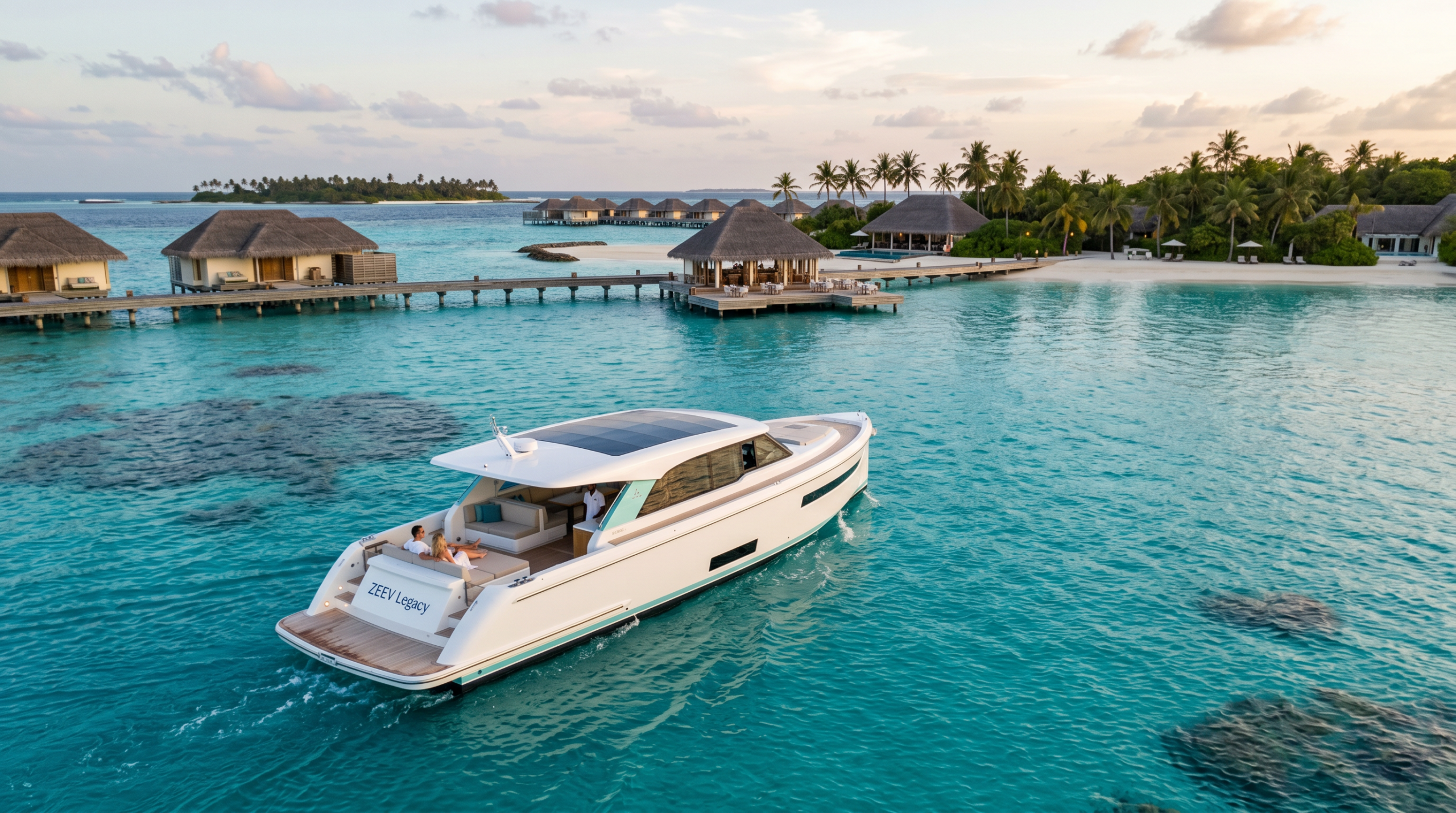

About ZEEV
Built for practical electric marine deployment in the Maldives.
ZEEV was created to help resorts, marine operators, route owners, investors, and island projects move from interest in electric vessels to structured deployment decisions.
Maldives focused. Finance aware. Deployment disciplined.
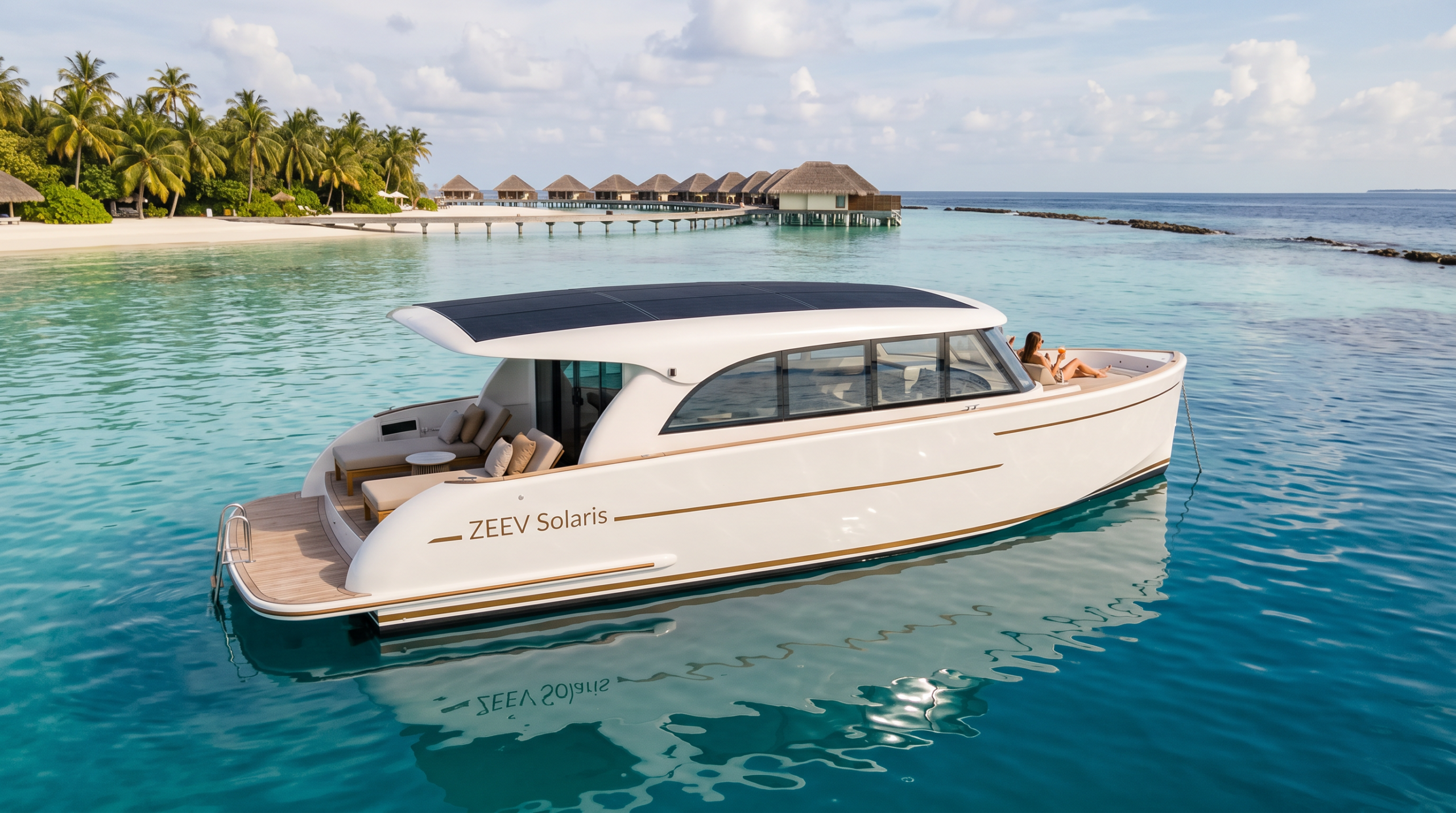
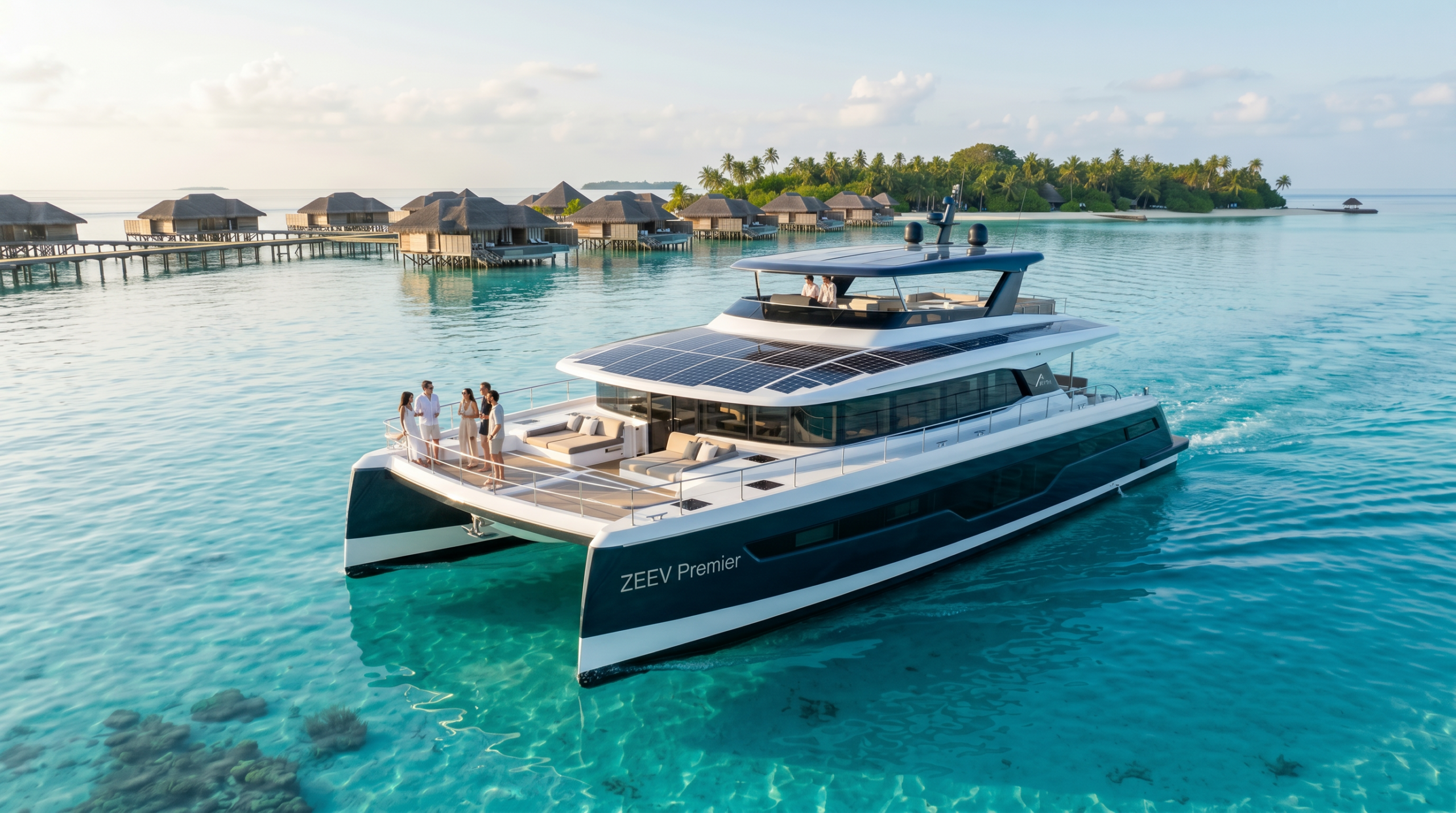
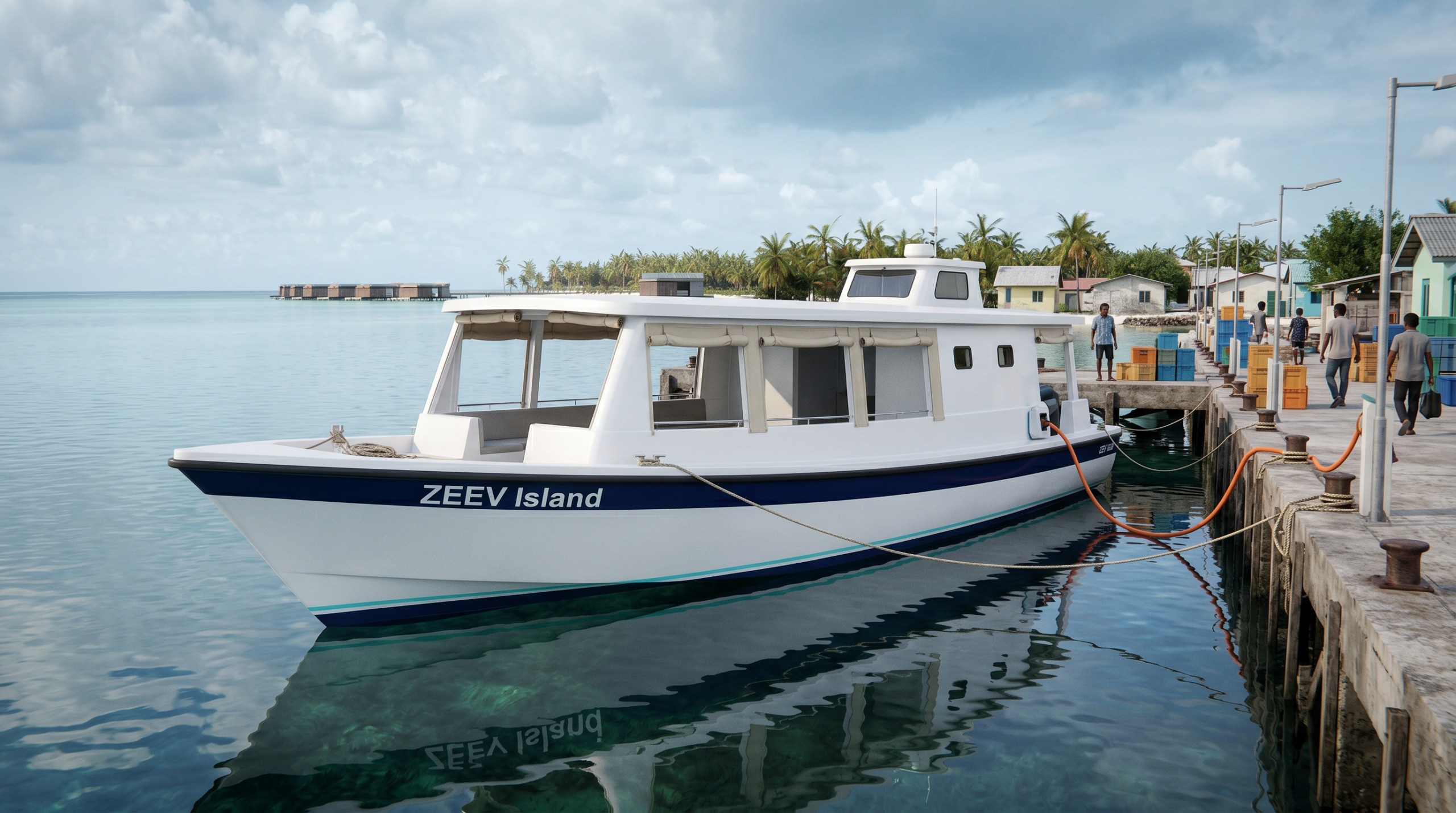
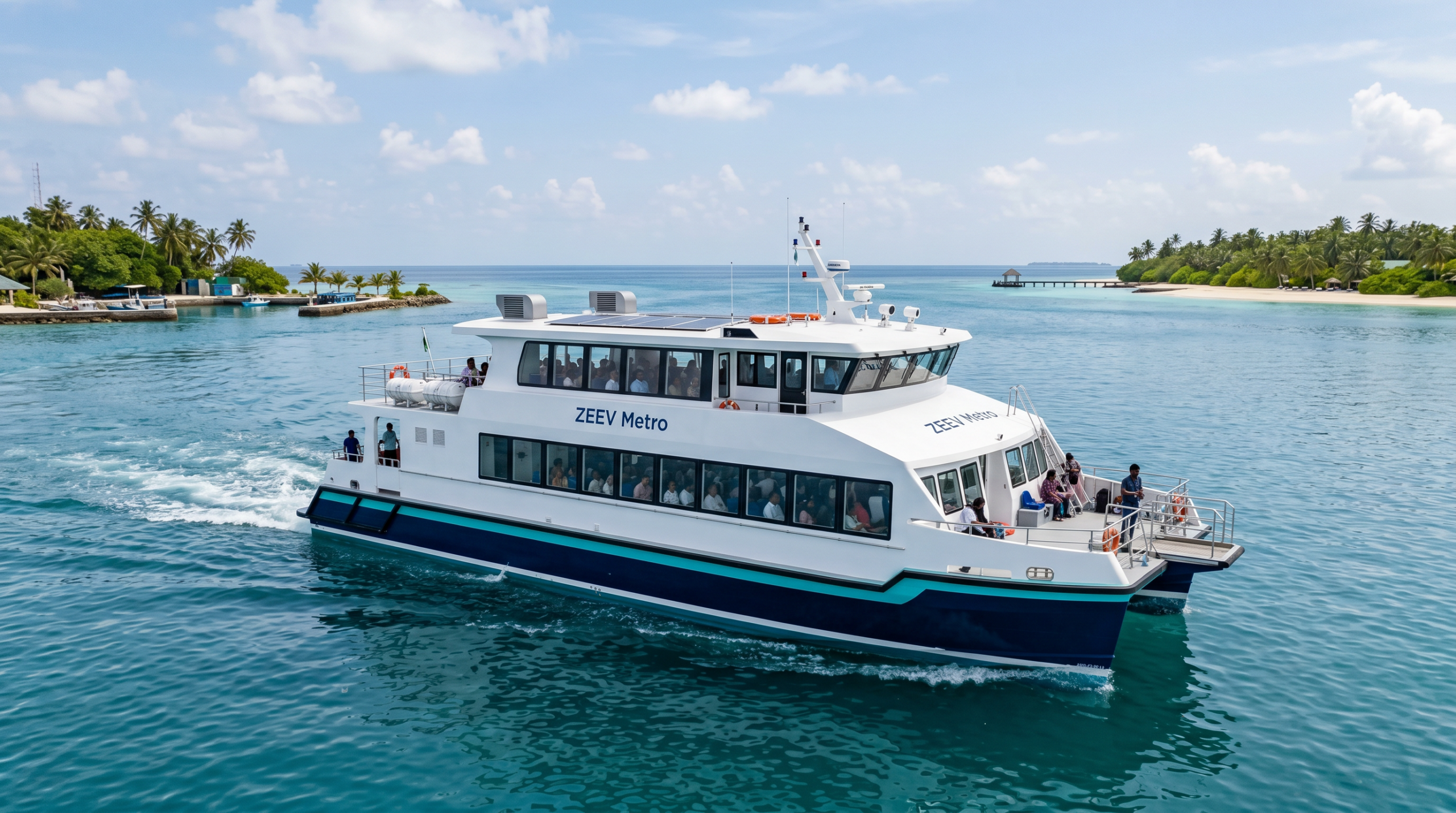
ZEEV connects vessel platforms, electric propulsion, local marine knowledge, route economics, and finance structure into a practical deployment pathway.
How ZEEV Came to Be
ZEEV began with a Maldives operating reality.
The Maldives is built around marine movement. Guests, staff, supplies, excursions, airport transfers, inter-island routes, public services, and resort operations all depend on vessels moving every day.
Much of that movement is still exposed to imported fuel, engine maintenance, noise, vibration, emissions, and long-term cost uncertainty.
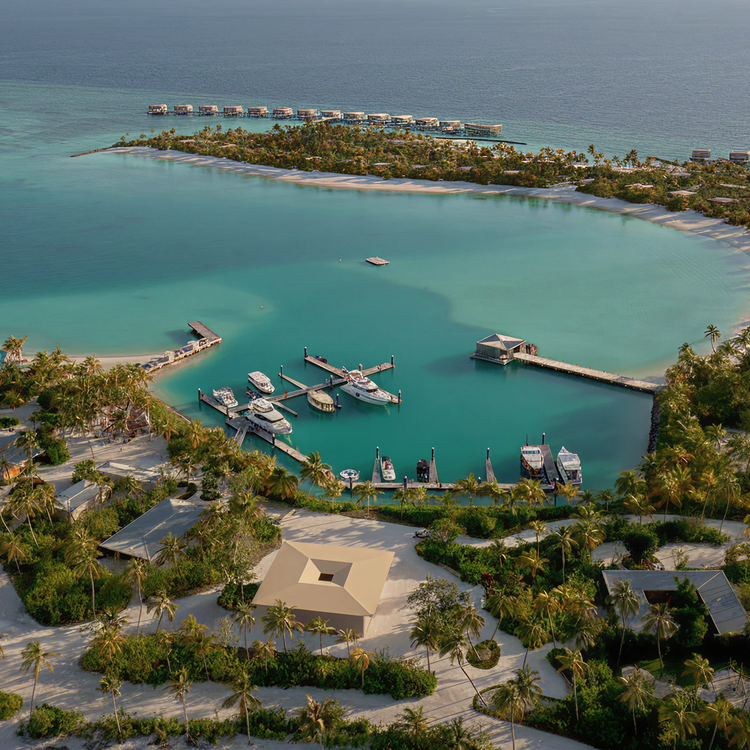
ZEEV was created to identify where electric vessels can be used responsibly in that environment, with the right vessel, charging plan, support structure, and commercial model.
What ZEEV Is
ZEEV is a deployment platform, not a boat catalogue.
Our work starts before any vessel is recommended. We study the operating purpose, distance, speed, passenger or cargo load, charging window, local support requirement, energy cost, fuel exposure, and commercial structure.
That discipline protects customers from choosing technology before the route is ready.
Why Maldives
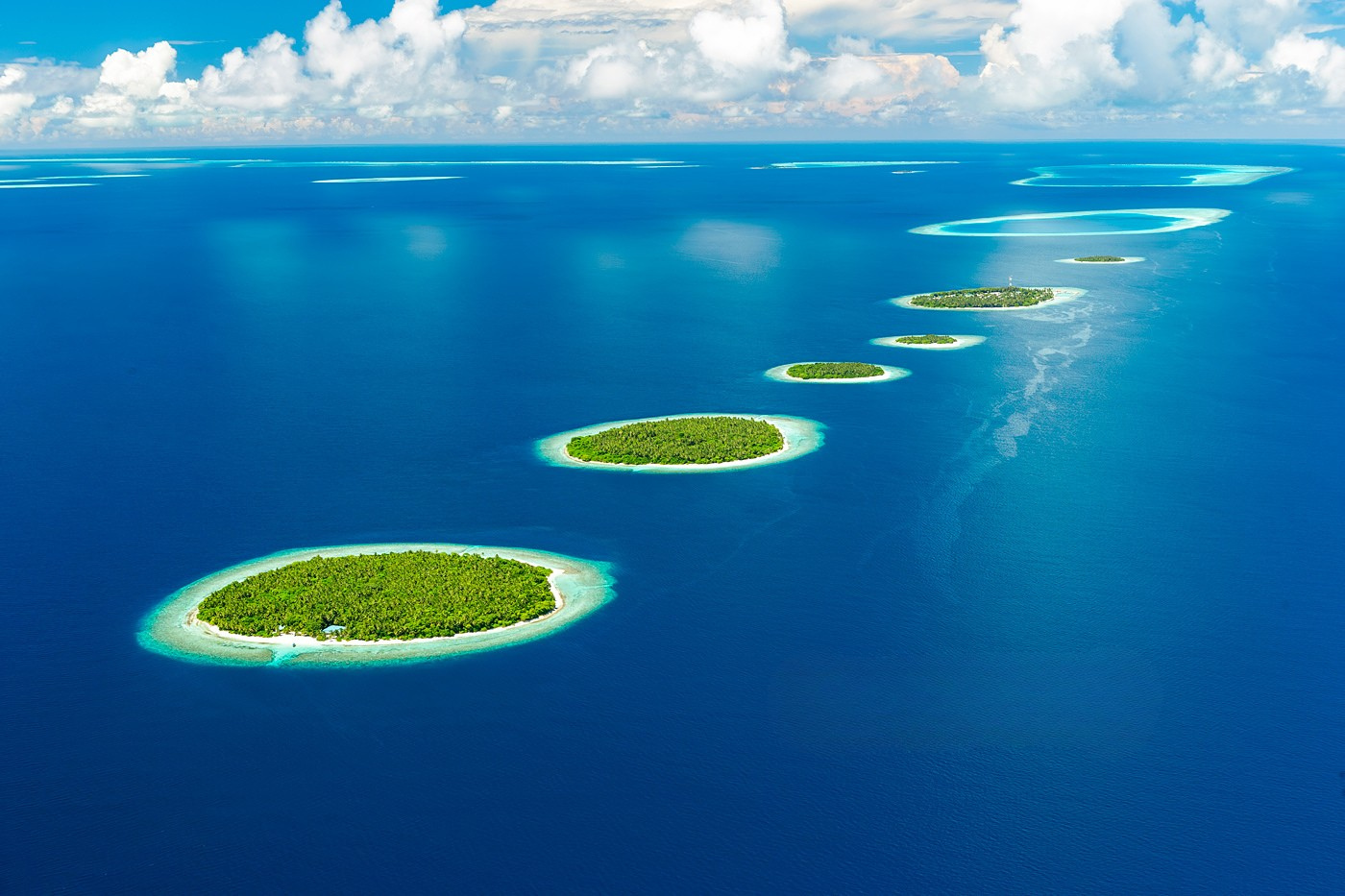
The Maldives gives electric marine transport a real test environment.
Electric vessels need the right operating conditions. The Maldives already has many of them: short crossings, repeated routes, premium guest movement, resort-based charging opportunities, and high exposure to fuel cost.
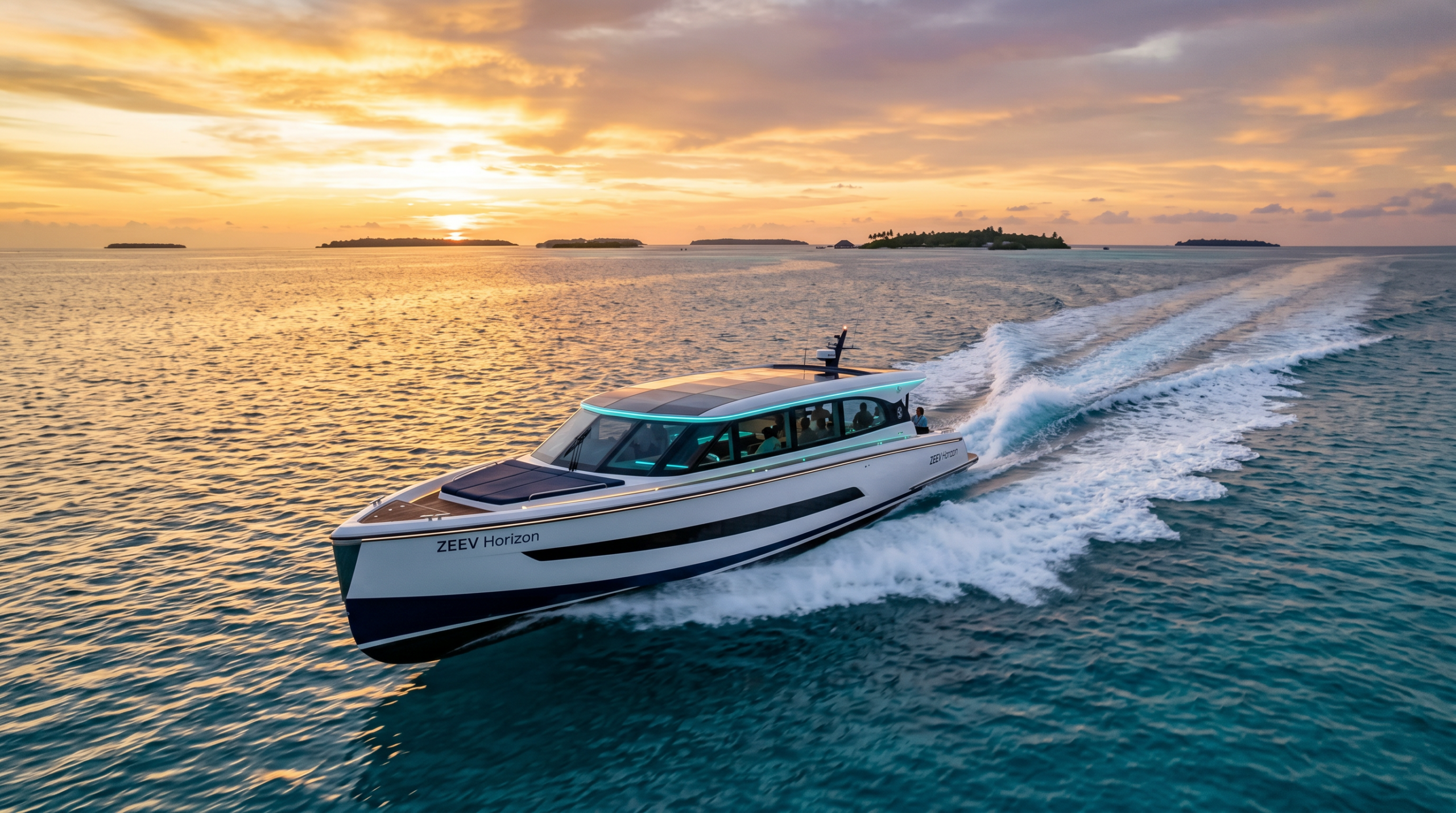
For resorts, electric vessels can improve arrival quality, reduce noise, lower fuel dependence, and support stronger sustainability positioning.
For operators and public-route stakeholders, selected short and frequent routes can be studied carefully before any investment decision is made.
Capability Areas
ZEEV brings the right capability into the right route discussion.
Electric marine deployment is a chain of decisions. Vessel, propulsion, charging, finance, operations, and local support must be considered together.
Vessel Platforms
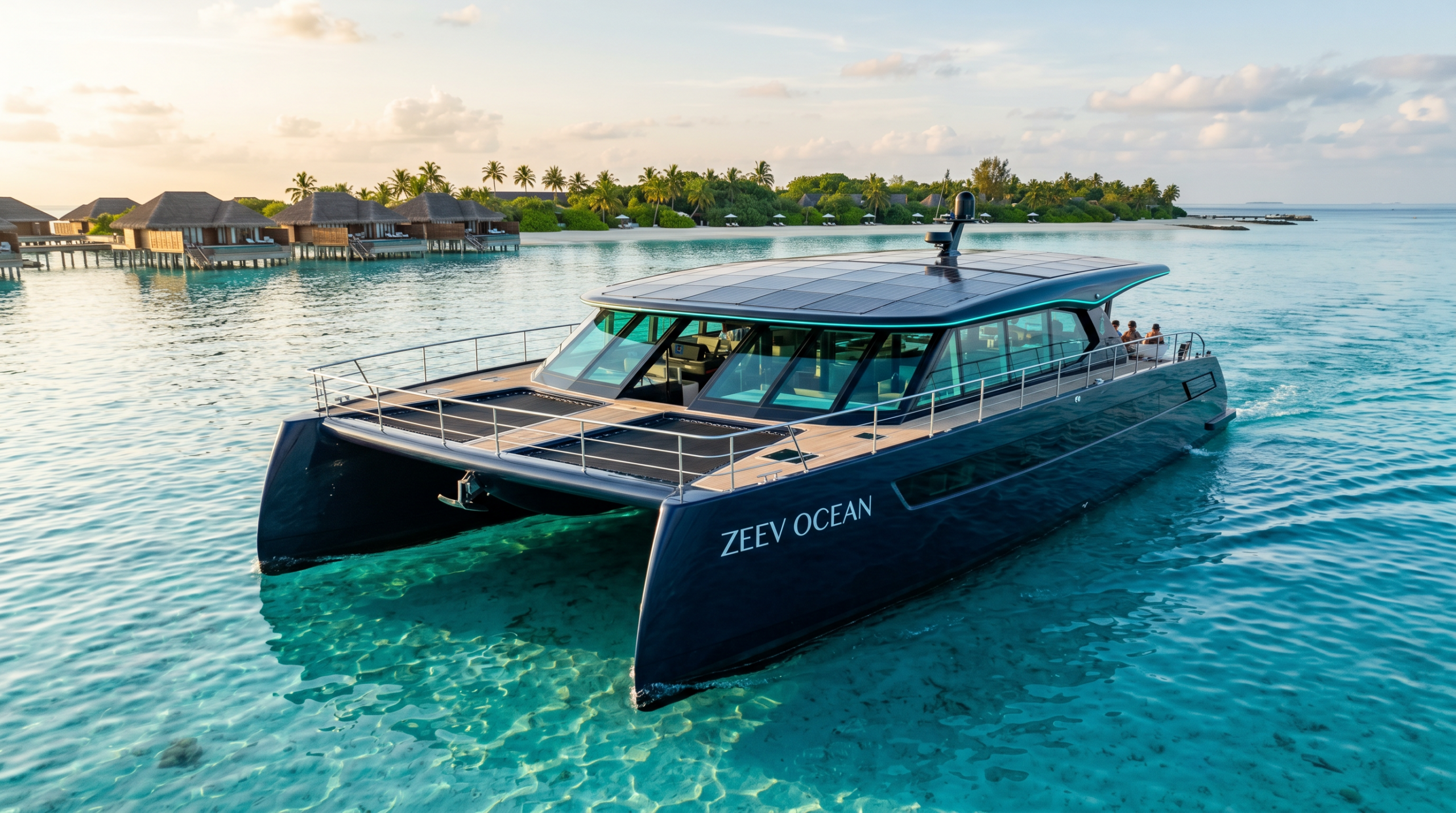
Premium and route-specific vessels
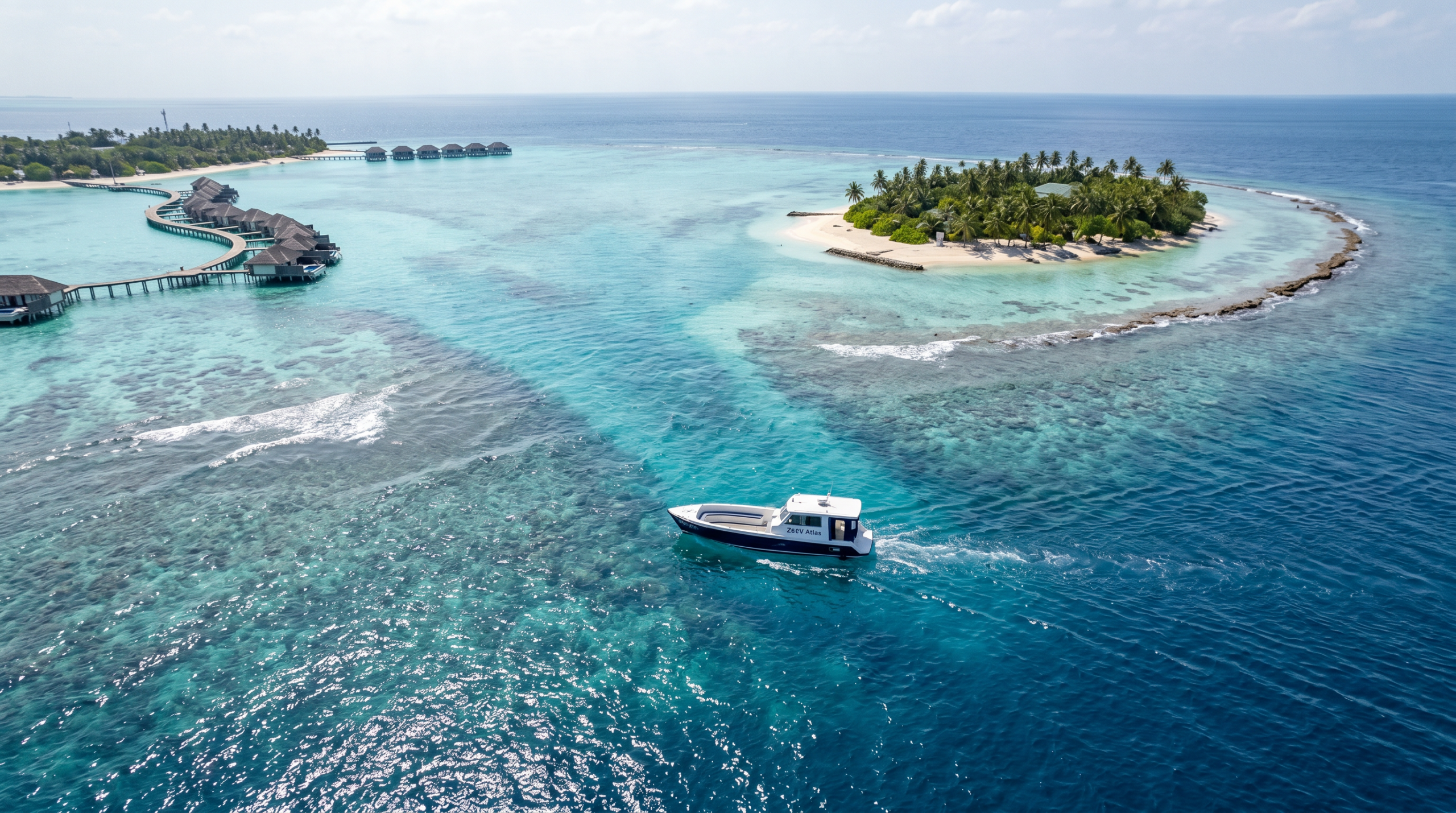
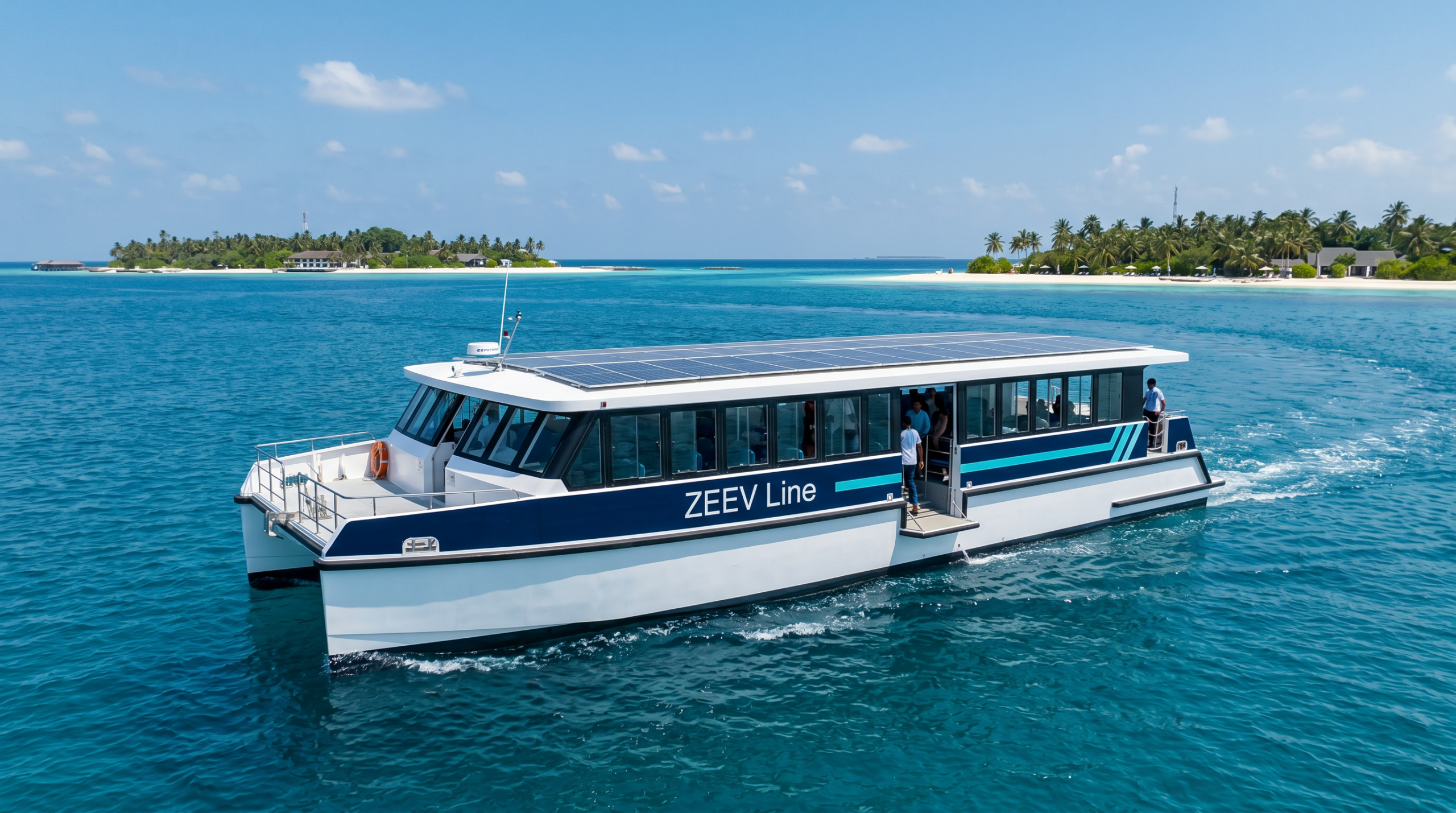
Resort transfers, lagoon movement, leisure experiences, ferries, and operator routes need different vessel classes. ZEEV starts by understanding the job the vessel must perform.
Route Mobility
Short repeated movements
Electric deployment becomes strongest when the route is known, the movement repeats, charging time is protected, and the operating case is measurable.
Propulsion and Power
Technology matched to duty cycle
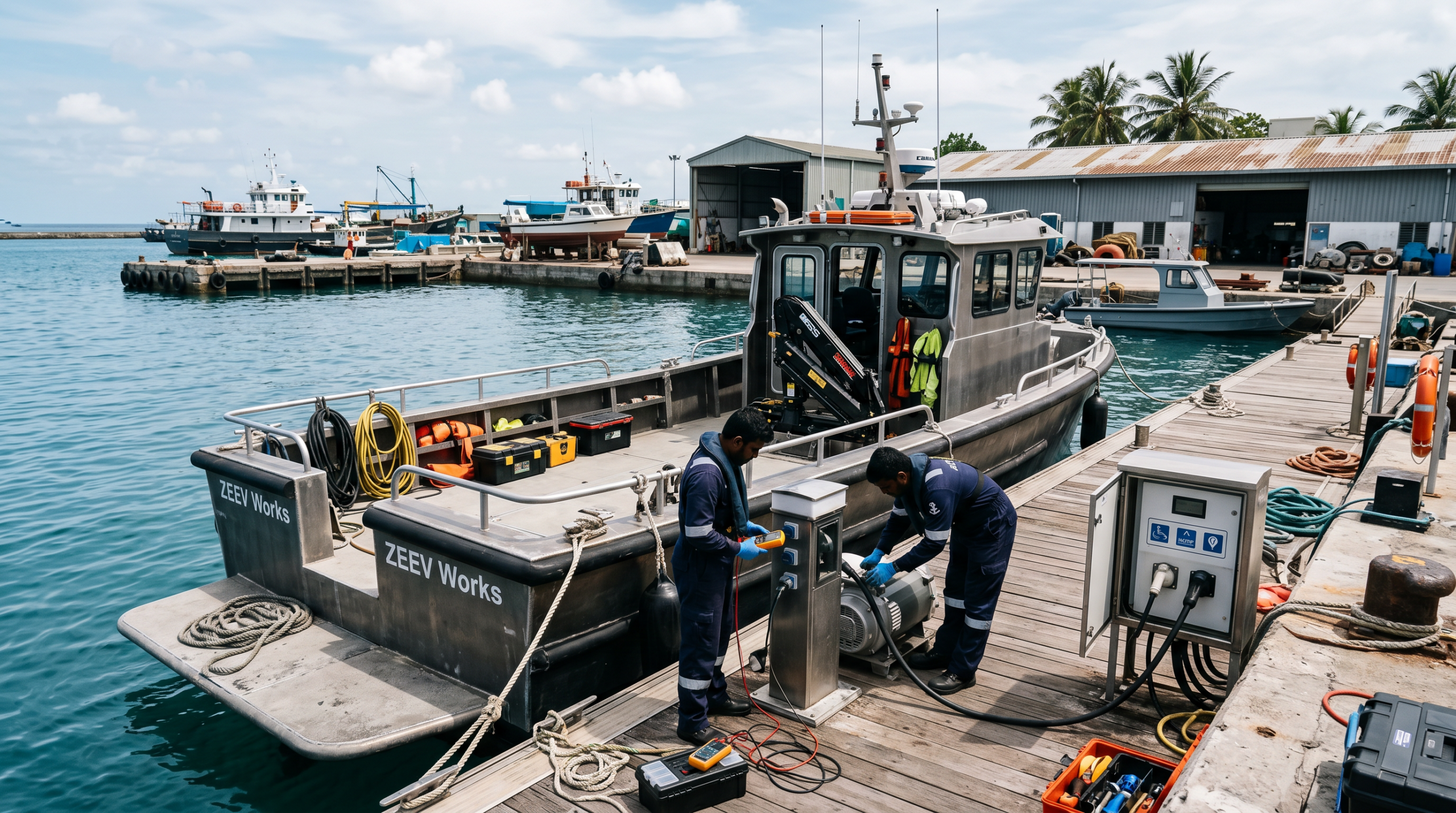
Motors, batteries, chargers, reserve policy, service access, and operating speed must be matched to the route before a solution is recommended.
Local and Global
International technology only works when local deployment is realistic.
A Maldives route cannot be assessed from a brochure alone. Sea conditions, resort expectations, harbour access, crew workflow, charging availability, maintenance reality, and guest service standards all matter.
ZEEV connects global electric marine capability with Maldivian route knowledge, local operating discipline, and practical deployment planning.
What Makes ZEEV Different
The operation decides the solution.
The same vessel will not suit every island, resort, public route, operator, charger location, or passenger requirement. ZEEV works backwards from the actual route and operating need.
Operating profile
Distance, speed, load, schedule, sea exposure, harbour access, and turnaround time.
Commercial logic
Fuel exposure, energy cost, maintenance assumptions, guest value, utilisation, and business case.
Finance structure
Direct purchase support, leasing, investor-backed deployment, or performance-linked pathways.
Deployment support
Technology coordination, charging planning, local readiness, crew workflow, and launch preparation.
Buyer Confidence
Serious operators need a decision pathway, not a sales pitch.
Resort owners, general managers, finance teams, marine managers, operators, and public-route stakeholders need clarity before they commit capital or operational attention.
ZEEV helps build that clarity through route screening, vessel-use logic, charging assessment, commercial comparison, and deployment planning.
ZEEV’s Discipline
If the route is not ready, the project should wait.
Electric vessels can be commercially powerful in the right setting. But the wrong route, wrong speed requirement, wrong battery capacity, wrong charging location, or wrong finance structure can weaken the case.
ZEEV’s role is to identify where the model deserves serious consideration and where it does not.
Start With One Route
The right route is where the conversation begins.
If you operate, manage, finance, or regulate a marine route in the Maldives, ZEEV can help assess whether electric vessel deployment is practical for your operation.
Start with one route. If the model works, it can scale.