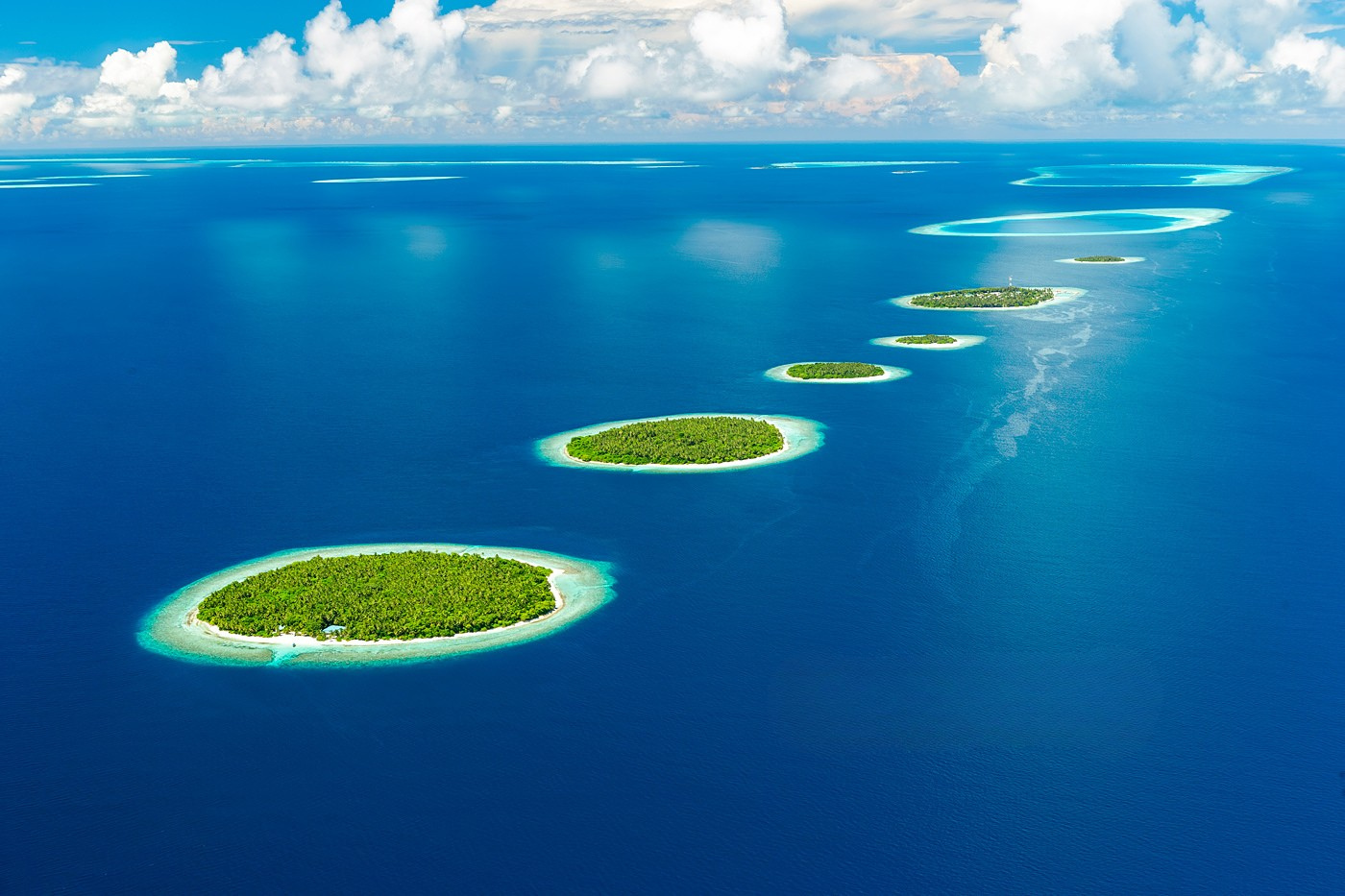

The ZEEV Ecosystem
Connecting Maldives routes with global and local electric marine capability.
ZEEV engages with selected vessel platforms, propulsion companies, boatbuilders, technical specialists, finance contacts, and local marine support providers to assess practical electric vessel deployment opportunities in the Maldives.
Technology access. Local deployment knowledge. Route-led commercial structure.
Why the Ecosystem Matters
Electric marine deployment is not solved by one product.
A vessel only makes sense when the route, passenger load, trip frequency, speed requirement, battery system, charging window, maintenance pathway, finance model, and local support structure work together.
ZEEV starts with the operating route, then identifies which vessel, propulsion, charging, finance, and support capability may be relevant for that specific deployment case.
Electric Propulsion & Powertrain Systems
Propulsion must fit the duty cycle, not just the vessel.
Electric vessel performance depends on matching route distance, operating speed, vessel weight, battery capacity, charging access, serviceability, and long-term reliability.
ePropulsion
Electric marine propulsion systems including outboards, pod drives, inboard motors, and battery systems for recreational and commercial marine applications.
Ecomar Propulsion
Zero-emission marine propulsion systems, including electric and hydrogen-compatible inboard solutions for commercial vessels and shipyard applications.
Solar-Electric Vessel Platforms
Some Maldives opportunities need purpose-built vessel platforms.
Resort ownership, premium guest movement, passenger routes, and high-value marine experiences may require platforms designed around solar-electric cruising, comfort, silence, and reduced operating impact.
Electro-Solar Catamarans & Electric Sailing
Quiet, low-impact platforms can support selected leisure and hospitality routes.
For private ownership, resort experiences, sheltered-water cruising, and low-impact leisure operations, electro-solar and electric sailing platforms may offer a different type of marine experience.
Millikan Boats
Electro-solar catamaran platforms focused on clean, quiet navigation, onboard comfort, solar generation, and electric propulsion.
HopYacht
An all-electric pocket catamaran concept suited to easy, comfortable sailing in sheltered waters, bay-to-bay cruising, and short coastal or island hops.
Boatbuilding & Local Vessel Capability
Local vessel knowledge matters when deployment moves from concept to reality.
Not every company in the ecosystem is an electric vessel brand. Some are relevant because of construction capability, resort vessel knowledge, custom build experience, marine service access, customer networks, or local deployment support.
Future Marine Logistics
Some innovation is more relevant to logistics than guest transport.
ZEEV tracks wider electric and low-emission marine innovation because island economies also depend on cargo, port connectivity, inter-island supply chains, and logistics routes.
This does not mean every technology is suitable for resort guest transfers or leisure operations. It means ZEEV monitors emerging systems that may become relevant to island logistics, port-to-port movement, and future commercial transport models.

Fly-Box
Low-emission flying platform concept focused on container movement between ports, with potential relevance to future island logistics and commercial transport discussions.
How the Ecosystem Works
ZEEV brings the right capability into the right route discussion.
The goal is not to force one technology into every use case. The goal is to assess the operating requirement first, then identify the vessel, propulsion, charging, finance, and support pathway that may make sense.
Route requirement
Distance, speed, passenger or cargo load, daily frequency, sea conditions, charging window, and operating schedule.
Technology match
Vessel type, propulsion system, battery capacity, charging approach, service access, reliability, and operational suitability.
Commercial model
Operating cost, finance structure, leasing option, zero upfront capital pathway, direct purchase case, or investor-backed model.
Deployment pathway
Local support, vessel access, service planning, crew readiness, customer communication, launch preparation, and performance review.
Relationship Note
Capability is assessed case by case.
The companies shown on this page represent examples of technology, vessel, propulsion, logistics, boatbuilding, and local support capability that may be relevant to selected electric marine opportunities.
Displaying a company on this page does not mean every deployment uses that company or that a fixed commercial package is already in place. Relationship status, availability, suitability, pricing, delivery timelines, warranties, service arrangements, and commercial structure are assessed individually for each route, customer, and deployment case.
Start With the Route
The route determines which ecosystem capability matters.
If you operate, manage, finance, or regulate a marine route in the Maldives, ZEEV can help assess which vessel, propulsion, charging, finance, and local support pathway may be suitable.
Start with one route. Then build the case properly.